
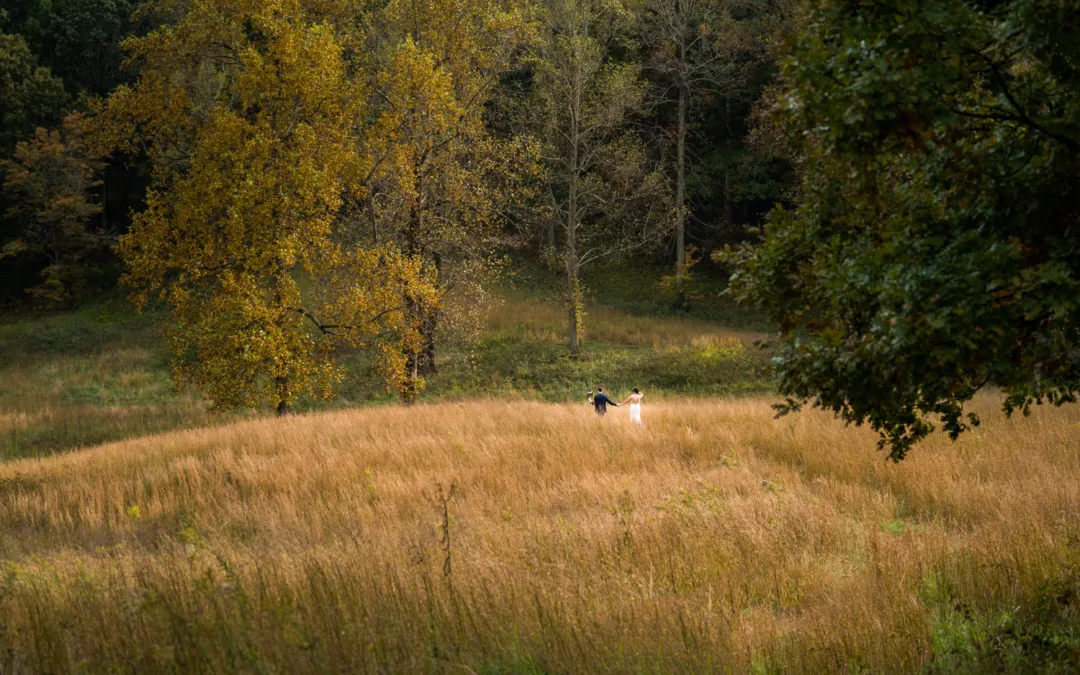
Nestled within the rolling hills and majestic peaks of the Appalachian Mountains, a rich tapestry of folklore and tradition has been woven, capturing the hearts and imaginations of many. Among these traditions, weddings stand out as a vibrant testament to the Appalachian people’s enduring love, community spirit, and connection to their heritage. These unique matrimonial customs, grounded in centuries of history, not only celebrate the union of brides and grooms but also the tight-knit fabric of family and neighbors that defines life in the Appalachians. This exploration of Appalachian Mountains folklore and its distinctive wedding traditions offers a fascinating glimpse into rituals, music, and practices that have been lovingly preserved through generations.
Diving deeper into this intriguing subject, We will first trace the roots of Appalachian wedding traditions, shedding light on the historical and cultural influences that have shaped them. Subsequent sections will explore the symbols and rituals of love that are central to these celebrations, including the exchange of wedding rings and the significance of traditional proposals. An examination of courtship and consent practices in the mountains will provide insight into the personal journeys that lead to matrimony. The narrative will then bring to life the big day itself, highlighting how Appalachian communities come together to celebrate matrimony through music, folklore, and shared joy. Finally, a look at the lasting legacy of these traditions will show how they continue to resonate with brides, grooms, and their families, firmly rooting them in both past and present. Through this comprehensive guide, readers will gain a deeper understanding and appreciation for the enduring allure of Appalachian weddings and the folklore that enriches them.
The Roots of Appalachian Wedding Traditions
Influence of European Settlers
The Appalachian region, with its rugged terrain and isolated valleys, became a melting pot of cultures with the arrival of European settlers in the 18th century. Primarily composed of Scotch-Irish and German immigrants, these early settlers brought with them a rich tapestry of customs and traditions that significantly shaped the matrimonial practices observed in the mountains. These groups, seeking refuge and new opportunities away from the expanding colonies, infused the local culture with elements from the Old World. This blend of traditions created a unique cultural identity that is evident in Appalachian wedding customs.
Evolution from Simple Ceremonies to Complex Traditions
Initially, Appalachian weddings were simple, community-centered events. Marriages were often arranged with a practicality that reflected the harsh living conditions of the early settlers. Over time, these simple ceremonies evolved into more elaborate traditions. For instance, the practice of “handfasting,” an ancient Celtic tradition, became integrated into local customs. During this ritual, a couple’s hands were bound together as a symbol of their union, likely giving origin to the term “tying the knot.”
The transformation of wedding ceremonies also included the adoption of various superstitions and folklore. For example, the belief that the bridal veil protected the bride from evil spirits or the custom of carrying the bride over the threshold to ward off bad luck. These practices were not only steeped in the mystique of the mountains but also served to fortify the bond between the community members, as everyone played a role in the celebration of a new union.
From the exchange of simple tokens of affection, such as the hand-carved love spoon, to the communal creation of a double wedding ring quilt, these evolving traditions underscored the importance of craftsmanship, community support, and shared heritage. The culmination of these practices can be seen in the elaborate wedding celebrations that involve the entire community, illustrating the shift from simple, pragmatic ceremonies to rich, complex cultural expressions that celebrate both individual unions and community bonds.
Symbols and Rituals of Love
The Use of Natural Elements in Ceremonies
In the Appalachian Mountains, wedding ceremonies are deeply intertwined with the natural environment, reflecting the community’s profound connection to the land. Festivals celebrating Appalachian culture often feature mountain music, storytelling, and traditional crafts, creating a vibrant backdrop for matrimonial celebrations. These elements are not just entertainment but are integral to the wedding rituals, emphasizing the importance of nature in daily life and significant life events. For example, couples might choose to have their ceremonies in historic buildings like restored barns or churches, surrounded by the natural beauty of the Smoky Mountains. This setting not only provides a picturesque scene but also roots the ceremony in the heritage of the region.
Significance of Handmade Items
Handmade items hold special significance in Appalachian wedding traditions, symbolizing love, commitment, and community involvement. Two notable examples of this are the love spoon and the double wedding ring quilt. The love spoon, a Welsh tradition adopted in the Appalachian region, involves a groom hand-carving a wooden spoon with intricate designs such as Celtic knots and hearts. This not only demonstrates his skill and ability to provide but also his dedication to his future spouse. The spoon serves as a tangible representation of his commitment to both love and duty.
Similarly, the double wedding ring quilt represents community and continuity. During a quilting bee, women from the community come together to craft the quilt, which features two intertwined rings symbolizing the union of the couple. This tradition not only prepares a practical gift for the couple’s new home but also strengthens community bonds as women work together, share stories, and support the bride. The quilt becomes a cherished symbol of community support and the warmth of shared efforts.
These rituals, from the use of natural settings to the creation of handcrafted items, are not merely decorative. They are imbued with meanings and functions that reinforce the values of love, community, and continuity in Appalachian societies.
Courtship and Consent in the Mountains
Prearranged Relationships Versus Love Matches
In the isolated communities of the Appalachian Mountains, courtship traditions were deeply influenced by geographical and social constraints. With limited means of travel and small local populations, families often took the initiative in arranging marriages. Young women typically found their futures shaped not by personal choice but by decisions made by their fathers. These prearranged relationships were strategic, focusing on strengthening community ties and ensuring survival in the harsh mountain environment.
However, not all relationships were arranged. At social gatherings such as barn dances, church services, and taffy pulling events, young people had the opportunity to meet and form connections based on mutual attraction. These love matches, though less common, provided a contrast to the pragmatism of arranged marriages. The courtship period, whether sparked by family arrangement or personal choice, was typically brief, reflecting the practical realities of life in Appalachia.
Community Involvement in the Couple’s Journey
Courtship in the Appalachian Mountains was not a private affair but a community-centered activity. Events like barn dances and church gatherings were communal highlights where young couples could interact under the watchful eyes of their neighbors. This community oversight was a crucial aspect of the courtship process, ensuring that the relationships adhered to the social norms and values of the time.
Men often had to demonstrate their intentions and capabilities, sometimes through romantic gestures like playing the dulcimer or singing, which were performed in front of family and community members. Such displays not only proved the suitor’s commitment but also his ability to blend into the community fabric.
Courtin’ Practices and Shotgun Weddings
The term “shotgun wedding,” believed to have originated in Appalachia, underscores the urgency and sometimes the coercion associated with marriage in the region. If a young woman became pregnant during the courtship period, her father would ensure that the marriage took place swiftly to maintain family honor. This practice was a stark reminder of the severe social consequences of deviating from the expected norms.
Courtship practices varied, with some couples enjoying slightly more freedom to choose their partners. Yet, even in these scenarios, the courtship period was brief, often lasting only a few weeks to a few months. The community played a significant role in these unions, from the initial meetings at social events to the final celebrations, often held in the bride’s home or a local courthouse.
In summary, the courtship and consent practices in the Appalachian Mountains were a blend of family involvement, community oversight, and the occasional personal choice, all set against the backdrop of the region’s rugged landscape and close-knit communities. These practices were not only a reflection of the social and geographical realities but also a reinforcement of the values that held these mountain communities together.
The Big Day: Celebrating Appalachian Matrimony
Unique Wedding Customs and Attire
Appalachian mountain weddings blend tradition and nature, creating a memorable and intimate atmosphere. The bride and groom often choose attire that reflects their cultural heritage, with many opting for handmade garments. Traditional dress might include homespun fabrics and handcrafted accessories, emphasizing the importance of craftsmanship in Appalachian culture.
Food, Music, and Dancing Traditions
The celebration of Appalachian matrimony is incomplete without the inclusion of local cuisine and music, which are integral to the festivities. The menu typically features dishes that are staples in the mountain region such as smoked meats, homemade apple pies, and moonshine jellies, celebrating the local fare that has been passed down through generations.
Music and dancing are at the heart of the celebration, with local bluegrass music setting the tone. Family members or friends often perform, playing classic string band tunes and lively reels. Guests are encouraged to participate in old-timey dances like square dancing or clogging, adding a layer of communal fun and engagement to the wedding festivities.
Shivaree – A Riotous Celebration
One of the most distinctive Appalachian wedding traditions is the Shivaree. This boisterous celebration occurs after the wedding ceremony, where friends and family engage in good-natured mischief to celebrate the union. The revelry can include loud music, banging pots and pans, and even playful pranks like kidnapping the groom or dunking the bride in cold water. This tradition not only provides entertainment but also symbolizes the community’s embrace and celebration of the new union.
From Past to Present: The Lasting Legacy
Changes in Traditions Over Time
As the Appalachian region evolved, so too did its wedding traditions, reflecting broader societal shifts and the personal values of those within the community. Historical artifacts and accounts, such as those preserved at the Museum of Appalachia, provide a window into these changes. Initially, weddings were simple, community-focused events that emphasized practicality and survival. Over the decades, these gatherings have transformed into more elaborate celebrations that not only honor a couple’s love but also their heritage.
The role of women and the structure of courtship have seen significant changes. In earlier times, women were often seen as caretakers bound by the decisions of male family members. Today, they participate more freely in both the planning and the celebration of their weddings, reflecting broader shifts towards gender equality. Courtship practices have also evolved from brief, family-arranged interactions to more extended periods of dating, where personal choice and mutual affection are more significant than familial obligation.
Modern Appalachian Weddings and Preserving Heritage
In contemporary Appalachian weddings, there is a strong emphasis on blending tradition with personalization. Couples often incorporate elements such as handcrafted love spoons or double wedding ring quilts into their ceremonies, symbolizing a respect for the past while celebrating their unique stories. These items are not just decorations but are imbued with deep cultural significance, representing the skills, values, and crafts of the Appalachian people.
The choice of venue and the inclusion of traditional music and dance also play crucial roles in modern celebrations. Many choose to hold their weddings in historical settings like barns or outdoor spaces that highlight the natural beauty of the Appalachian landscape. Traditional Appalachian music, played during ceremonies and receptions, continues to be a vital part of the celebration, connecting the past with the present.
Interactive elements such as storytelling, traditional games, and folk dances are increasingly included in wedding festivities, allowing guests to experience and participate in the rich cultural tapestry of the region. These activities not only entertain but also serve as educational experiences, highlighting the enduring customs and the community’s commitment to preserving its cultural heritage.
Furthermore, modern Appalachian weddings often feature menus that reflect the region’s culinary traditions, with dishes that have been passed down through generations. This not only honors the past but also offers guests a taste of local history and hospitality.
By maintaining these traditions, modern Appalachian weddings serve as a bridge between generations, ensuring that the rich heritage of the region continues to be celebrated and carried forward into the future.
Happy Wedding Day,
Sheila
5428 Salem Church Rd.
Knoxville, Tn 37938
Photo by: Golightly Studios