
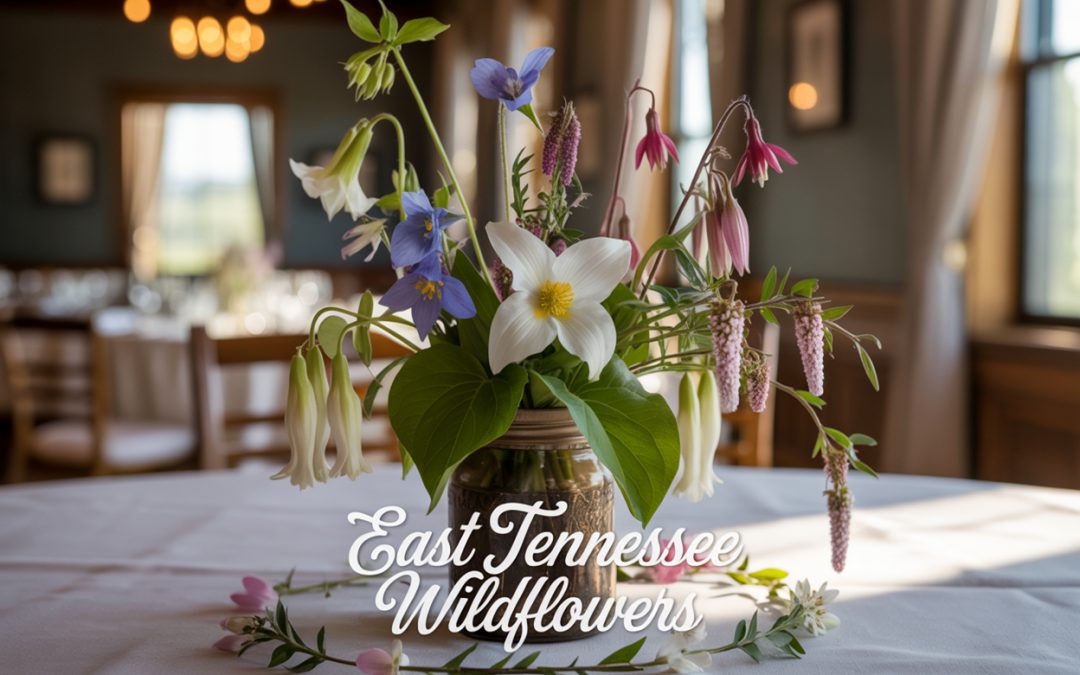
East Tennessee’s native wildflowers offer brides and wedding planners a breathtaking alternative to traditional centerpieces that’s both budget-friendly and uniquely regional. These East Tennessee wildflowers create stunning wedding centerpieces that capture the natural beauty of Tennessee outdoor venues while adding authentic charm to your special day.
This guide walks you through the most gorgeous native blooms that work beautifully in wedding arrangements, from the classic elegance of Trillium to the bold drama of Fire Pink. You’ll discover which flowers pack the biggest visual impact and learn practical tips for harvesting and arranging these delicate beauties, so they look their absolute best on your wedding day.
Why East Tennessee Wildflowers Transform Your Wedding Decor
Cost-effective alternative to expensive imported flowers
Wedding flowers can drain your budget faster than you’d expect. Traditional arrangements featuring roses, peonies, and orchids often cost hundreds or even thousands of dollars, especially when you factor in delivery fees and florist markups. East Tennessee wildflowers offer a refreshing solution that keeps more money in your pocket.
These native beauties grow abundantly in the region’s forests, meadows, and mountain slopes. You can gather them yourself or work with local foragers who understand seasonal availability and harvesting ethics. A single afternoon of careful collection can yield enough blooms for multiple centerpieces, cutting your floral expenses by 70-90% compared to commercial alternatives.
The savings multiply when you consider that wildflowers often look their best in simple, rustic arrangements that require minimal additional materials. Mason jars, vintage bottles, or even hollowed-out tree stumps make perfect vessels, eliminating the need for expensive crystal vases.
Unique regional charm that creates memorable experiences
East Tennessee wildflowers tell the story of your region in ways that imported flowers simply cannot. Each bloom carries the essence of Tennessee, creating an authentic connection between your celebration and the landscape that surrounds it.
Your guests will remember the distinctive beauty of trilliums peeking from centerpieces, the heart-shaped leaves of wild ginger cascading over table edges. These aren’t flowers they’ve seen at every other wedding – they’re distinctive elements that make your special day stand out in their memories.
Local wildflowers also spark conversations. Guests often find themselves asking about unfamiliar blooms, sharing stories about hiking encounters, or discussing the ecological significance of native plants. This natural icebreaker helps create a more engaging, interactive atmosphere at your reception.
The seasonal nature of wildflowers adds another layer of authenticity. Spring weddings might feature bloodroot and trillium, while summer celebrations could showcase fire pink and wild columbine. Your floral choices become a beautiful reflection of the exact moment in time when you said your vows.
Sustainable choice that supports local ecosystems
Choosing native wildflowers demonstrates environmental consciousness that many modern couples value deeply. Unlike commercially grown flowers that require intensive pesticide use, artificial fertilizers, and long-distance transportation, wildflowers thrive naturally in their native habitat.
Responsible wildflower harvesting supports ecosystem health when done correctly. Taking small amounts from abundant populations allows plants to continue their natural growth cycles while providing you with stunning decorative elements. Many native species benefit from gentle disturbance, and proper harvesting techniques can even encourage more robust blooming in future seasons.
Your wedding choices ripple outward beyond the single day. By featuring native plants, you raise awareness about regional biodiversity among your guests. Some may become inspired to plant native species in their own gardens or support conservation efforts in East Tennessee’s natural areas.
Working with wildflowers also reduces the carbon footprint associated with your wedding florals. No refrigerated trucks, no air transportation from distant growing facilities, and no energy-intensive greenhouse production. Your centerpieces represent a truly local, low-impact approach to wedding decoration.
Natural beauty that photographs beautifully
Wildflowers possess an organic, unstructured beauty that translates magnificently into wedding photography. Their natural variations in height, texture, and color create visual interest that looks effortless yet sophisticated in both candid shots and formal portraits.
The irregular, asymmetrical arrangements that work best with wildflowers photograph with a timeless quality that won’t look dated in years to come. While highly stylized commercial arrangements can appear forced or artificial in photos, wildflower centerpieces maintain an authentic, romantic atmosphere that enhances rather than distracts from the human moments happening around them.
Native flowers also complement East Tennessee’s natural wedding venues perfectly. Whether you’re celebrating in a mountain lodge, rustic barn, or outdoor pavilion, wildflower arrangements create seamless transitions between your decorated spaces and the natural landscape visible through windows or beyond ceremony sites.
The varied textures of different wildflower species add depth to photographs. The smooth petals of bloodroot, while wild ginger’s broad leaves provide rich green backdrops for more delicate blooms. This natural diversity creates compositions that remain visually engaging from multiple angles and distances.
Trillium: The Elegant White Statement Flower
Classic three-petaled design perfect for minimalist themes
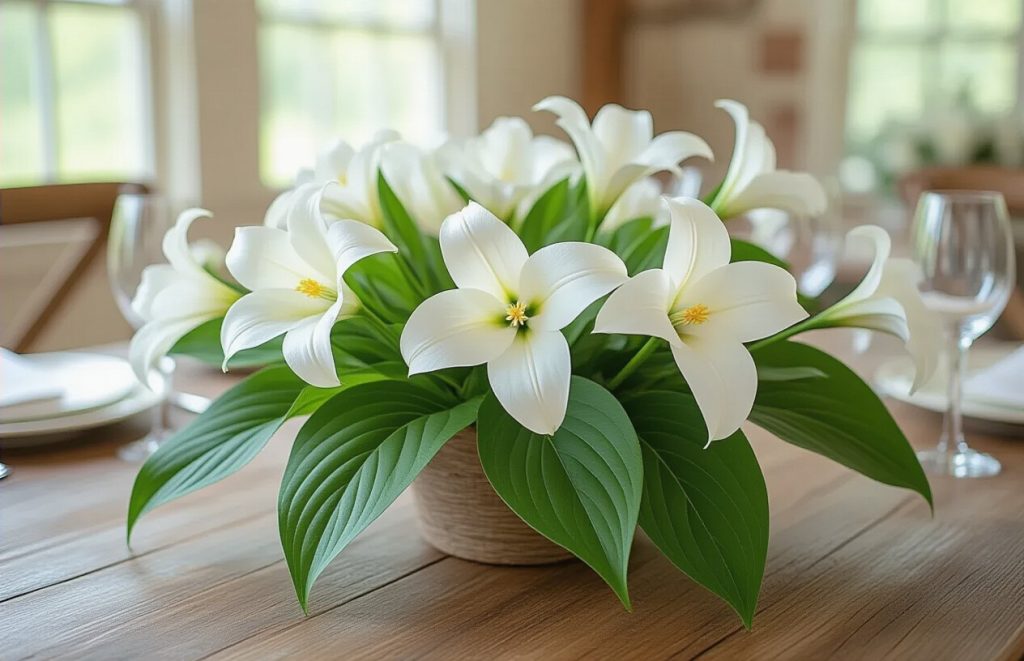
Trillium stands out as nature’s masterpiece of geometric perfection, featuring three pristine white petals that create an almost architectural beauty in wedding arrangements. These flowers embody the “less is more” philosophy that modern couples crave, offering clean lines and understated elegance that complement contemporary wedding aesthetics without overwhelming the overall design.
The flower’s distinctive triangular symmetry works brilliantly as a focal point in centerpieces, particularly when paired with simple glass vases or wooden accents. Each bloom measures approximately 2-4 inches across, making them substantial enough to command attention while remaining delicate enough for intimate table settings. The bright white petals create stunning contrast against deep green foliage, and their waxy texture catches light beautifully under both natural sunlight and candlelight.
For couples planning outdoor ceremonies or rustic barn receptions, trillium brings an authentic woodland feel that can’t be replicated with traditional florist flowers. The three-leaf arrangement beneath each bloom adds visual interest and depth, creating natural layers in your arrangements without requiring additional greenery purchases.
Best harvesting practices and seasonal availability
Trillium blooms peak in East Tennessee from mid-April through early May, making them perfect for spring weddings. These woodland treasures prefer shaded areas with rich, moist soil, so you’ll find the best specimens along hiking trails in the Smoky Mountains or in established forest areas around Gatlinburg and Pigeon Forge.
When harvesting, select flowers that have just opened fully but haven’t begun to show any browning on petal edges. Early morning collection works best, as the stems contain maximum moisture content. Cut stems at a sharp angle using clean garden shears, leaving at least 4-5 inches of stem length for easy arrangement work.
Harvesting Timeline:
- Peak bloom: Late April to early May
- Best collection time: 7-9 AM
- Optimal weather: Cool, overcast mornings after light rain
- Stem length: 4-6 inches minimum
Always harvest responsibly by taking no more than one bloom per plant cluster, ensuring the root system remains undisturbed for future growing seasons. Check local regulations, as some areas require permits for wildflower collection.
Arrangement techniques for maximum visual impact
Trillium works best in odd-numbered groupings of three, five, or seven stems per centerpiece, creating natural balance that feels organic rather than forced. Place the tallest stems in the center, gradually decreasing height toward the edges to form a gentle dome shape that encourages conversation across the table.
Keep water levels shallow – about 2 inches – since trillium stems can rot quickly in deep water. Add a drop of bleach to extend freshness, and change water daily leading up to your wedding. The flowers look stunning in mason jars, vintage milk glass, or simple clear cylinder vases that won’t compete with their natural beauty.
For larger arrangements, combine trillium with native ferns like Christmas fern or lady fern, which share similar growing conditions and complement the white blooms perfectly. Avoid mixing with heavily scented flowers, as trillium has its own subtle, sweet fragrance that deserves to shine. Consider clustering multiple small arrangements rather than creating one large centerpiece – this approach feels more natural and allows guests to appreciate each individual bloom’s intricate details.
Wild Columbine: Adding Delicate Blue Accents
Distinctive spurred petals create visual interest
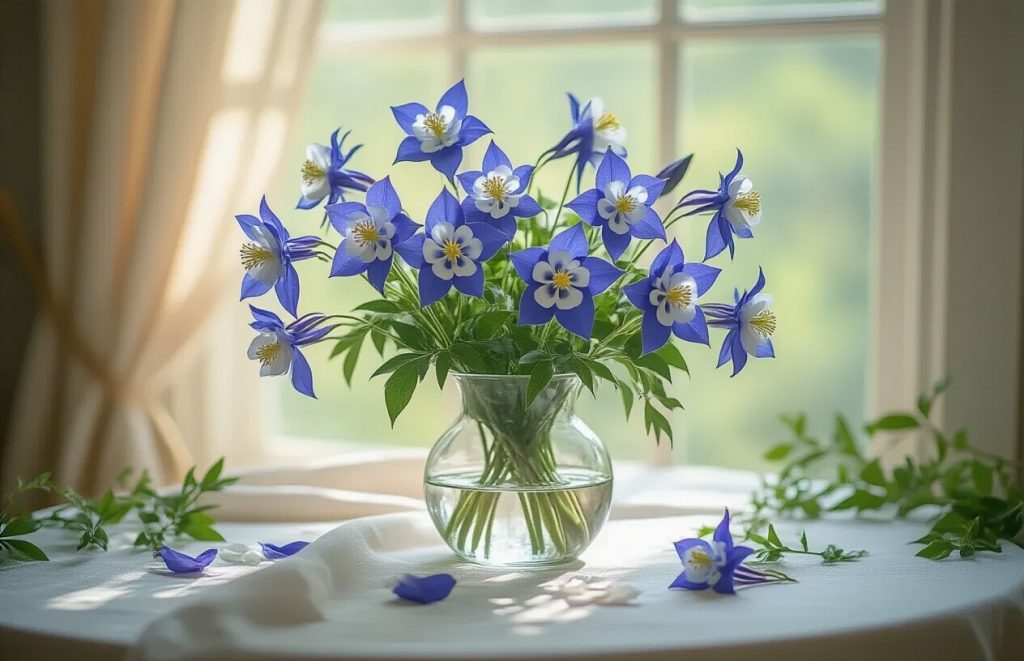
Wild columbine stands apart from other East Tennessee wildflowers with its architectural blooms that seem to dance above delicate foliage. Each flower features five backward-curving spurs that create an almost otherworldly appearance, making guests pause to examine these intricate natural sculptures. The petals form a complex layered structure with outer sepals in soft blue-purple tones and inner petals in creamy white, creating depth and dimension that photographs beautifully.
The flowers nod gracefully on thin stems, adding movement to your centerpieces even without a breeze. This natural elegance works especially well in rustic mason jars or vintage glass vessels where the delicate stems can be seen through clear glass. The spurred petals catch light differently throughout the day, creating subtle shadow play that keeps your arrangements visually dynamic from ceremony to reception.
Complementary color pairings with other wildflowers
Wild columbine’s soft blue hues create stunning partnerships with other Tennessee natives. Pair these delicate blooms with the pristine white of bloodroot for a classic blue-and-white palette that feels fresh and timeless. The combination evokes mountain streams and spring skies, perfect for outdoor weddings.
For warmer color schemes, wild columbine pairs beautifully with the coral-pink tones of fire pink, creating a sophisticated contrast that’s bold without being overwhelming. Add cream-colored trillium to soften the palette and create visual breathing room between the more saturated colors.
Wild bergamot’s purple clusters echo columbine’s blue undertones while adding textural variety through its clustered flower heads. This pairing creates a monochromatic blue-purple scheme that feels cohesive yet interesting. Complete the arrangement with wild ginger’s heart-shaped leaves for grounding green elements that tie everything together naturally.
Proper care methods to extend vase life
Wild columbine requires immediate attention after cutting to maximize its brief but beautiful vase life. Cut stems early morning when plants are fully hydrated, selecting stems with buds just beginning to open rather than fully mature flowers. Make clean diagonal cuts underwater to prevent air bubbles from blocking water uptake.
Place stems immediately in cool water mixed with flower food or a teaspoon of sugar and a few drops of bleach per quart. Change water every two days and recut stems by half an inch each time to maintain fresh uptake surfaces. Keep arrangements away from direct sunlight and heat sources, as columbine wilts quickly in warm conditions.
Expect 3-5 days of prime display time, with individual flowers lasting 2-3 days each. Since plants produce multiple buds per stem, you’ll see continuous blooming throughout this period. Mist arrangements lightly in the morning to increase humidity around the delicate petals.
Fire Pink: Bold Red Drama for Romantic Settings
Striking scarlet blooms command attention
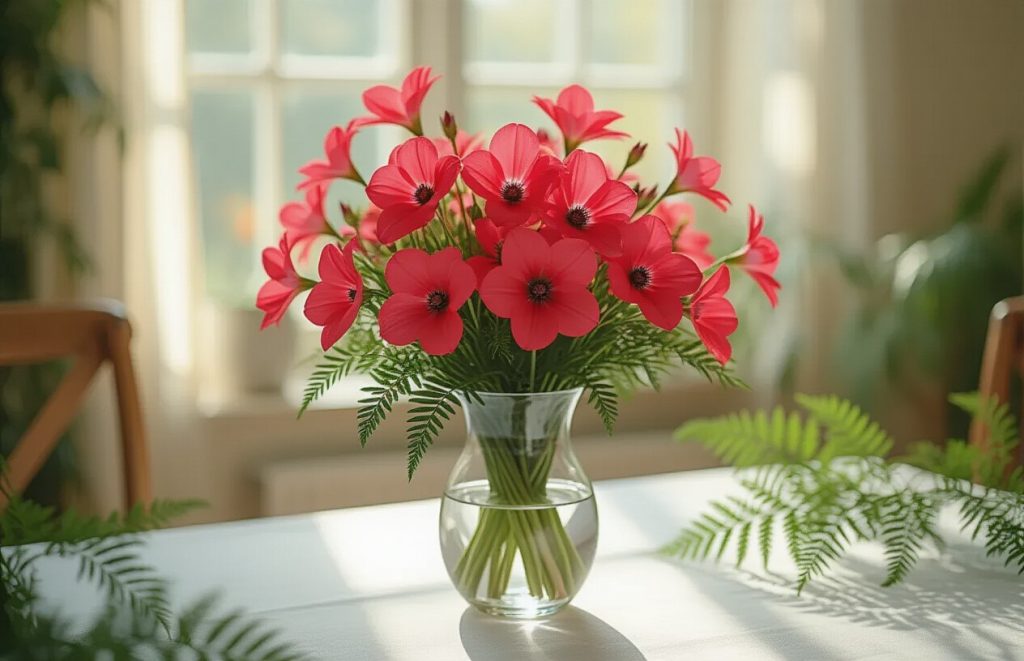
Fire Pink stands out like a beacon among East Tennessee’s native wildflowers with its brilliant scarlet petals that seem to glow from within. These stunning blooms measure about an inch across and feature five deeply notched petals that create a star-like appearance. The vibrant red color ranges from deep crimson to bright scarlet, making each bloom a natural showstopper that photographs beautifully under wedding lighting.
The flowers bloom on slender stems that can reach up to three feet tall, creating graceful vertical lines in arrangements. Each stem typically produces multiple blooms over several weeks during late spring and early summer, giving you plenty of material to work with for your special day. The intensity of the red varies slightly based on soil conditions and sunlight exposure, with flowers grown in partial shade often displaying richer, deeper tones.
Strategic placement tips for balanced centerpieces
When working with Fire Pink’s bold presence, placement becomes crucial for creating harmonious centerpieces. Position these dramatic blooms as focal points rather than scattered throughout the arrangement. Try clustering three to five stems together on one side of your centerpiece to create visual weight, then balance with lighter elements on the opposite side.
Height variation works beautifully with Fire Pink. Use taller stems toward the center or back of arrangements, allowing shorter companion flowers to cascade around the base. The stems’ natural curve adds organic movement that prevents arrangements from looking too rigid or formal.
Consider the viewing angles at your reception tables. Fire Pink’s star-shaped blooms look stunning when viewed from above, so don’t be afraid to angle some stems slightly downward. This technique also helps create depth and prevents all the visual interest from sitting at one level.
Mixing techniques with softer flower varieties
Fire Pink pairs exceptionally well with East Tennessee’s more delicate wildflowers. Wild Columbine’s soft blue tones create a stunning complement to Fire Pink’s intensity, while the purple clusters of Wild Bergamot add textural interest without competing for attention. Bloodroot’s pure white blooms serve as perfect neutral buffers that allow the red to truly pop.
When combining textures, use Fire Pink’s smooth petals against the ruffled edges of Wild Ginger leaves or the feathery appearance of wild grasses. This contrast creates visual interest that keeps guests engaged with your centerpieces throughout the evening.
The key to successful mixing lies in maintaining proper proportions. Use Fire Pink as roughly 20-30% of your total arrangement, allowing companion flowers to fill supporting roles. This ratio ensures the red remains the star while creating a cohesive, natural look that reflects the Tennessee landscape.
Symbolism and meaning for wedding celebrations
Fire Pink carries powerful symbolism that resonates deeply with wedding celebrations. The bold red color traditionally represents passionate love, courage, and the strength needed to build a lasting marriage. Native American traditions often associated red flowers with life force and vitality, making Fire Pink a meaningful choice for couples starting their journey together.
The star shape of Fire Pink blooms symbolizes guidance and hope, much like the North Star that guides travelers home. This makes these flowers particularly meaningful for couples who see marriage as their guiding light through life’s adventures.
In the language of flowers, red blooms speak of deep, abiding love that burns bright and true. Fire Pink’s ability to thrive in challenging mountain conditions mirrors the resilience needed in marriage, making it a powerful symbol for couples committed to weathering life’s storms together.
Wild Bergamot: Fragrant Purple Clusters
Natural aromatherapy benefits for guests
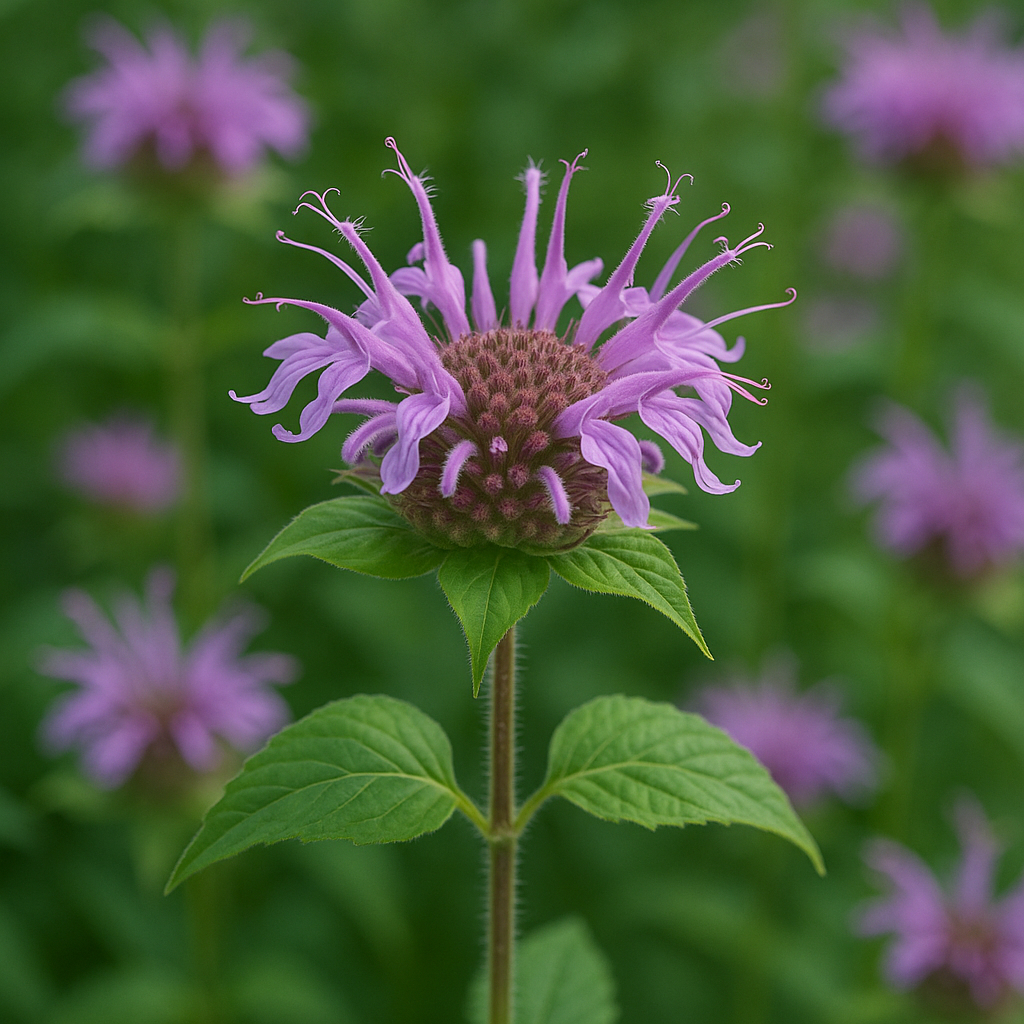
Wild bergamot releases a captivating minty-citrus fragrance that naturally enhances your wedding atmosphere without overwhelming artificial scents. The essential oils in the leaves and flowers contain compounds like thymol and carvacrol, which create a calming effect that helps anxious guests feel more relaxed during your ceremony and reception. This native member of the mint family offers a subtle stress-relieving quality that commercial air fresheners simply can’t match.
The aromatic qualities intensify throughout the day as guests brush against centerpieces or as the flowers warm in sunlight streaming through venue windows. Unlike synthetic fragrances that can trigger headaches or allergies, wild bergamot’s gentle scent complements rather than competes with your chosen perfume or cologne. Many couples discover that their guests comment on the pleasant, clean smell that seems to float naturally through the celebration space.
Textural contrast with smooth-petaled flowers
Wild bergamot’s unique flower structure adds incredible visual depth to wedding arrangements through its distinctive clustered blooms and tubular petals. The flowers form dense, rounded heads composed of dozens of narrow, two-lipped blossoms that create a fascinating spiky texture. This natural architecture provides the perfect counterpoint to classic wedding flowers like roses, peonies, or lilies with their broad, smooth petals.
The plant’s square stems and serrated leaves contribute additional textural elements that professional florists often struggle to replicate with greenhouse flowers. When combined with softer blooms, wild bergamot prevents arrangements from looking flat or one-dimensional. The flowers’ slightly fuzzy appearance catches light differently throughout the day, creating dynamic shadows and highlights that keep centerpieces visually interesting from ceremony through late-night dancing.
| Flower Type | Texture Quality | Visual Effect |
| Wild Bergamot | Spiky, clustered | Adds dimension and movement |
| Roses | Smooth, layered | Provides classic elegance |
| Baby’s Breath | Delicate, airy | Creates soft background |
Harvesting timing for peak fragrance and color
The secret to maximizing wild bergamot’s beauty lies in harvesting during early morning hours when essential oils concentrate on the flowers and leaves. Plan your collection for mid-to-late July when flower heads reach full development but haven’t begun dropping petals. Look for blooms where the outer ring of flowers has opened but the center still shows tight buds – this stage offers the longest vase life and strongest scent.
Cut stems when morning dew has evaporated but before the day’s heat sets in, typically between 8-10 AM. Choose stems with vibrant purple-pink flowers and healthy, unblemished foliage. Avoid harvesting during or immediately after rain, as wet flowers are more prone to wilting and mold development.
Place cut stems immediately in cool water and store in a shaded area until arrangement time. Wild bergamot maintains its fragrance and appearance for 5-7 days with proper care, making it perfect for wedding weekend preparations. The flowers develop deeper color intensity after cutting, reaching their most photogenic state 24-48 hours later.
For best results, harvest no more than one-third of any single plant to ensure continued blooming throughout the season.
Bloodroot: Pure White Simplicity
Short-lived blooms require special timing considerations
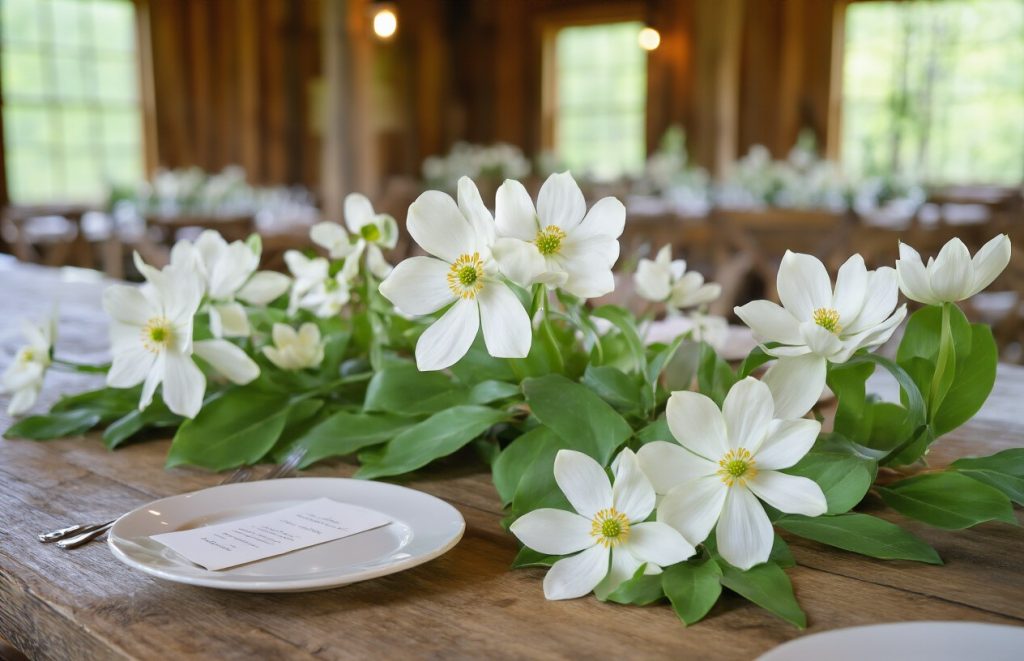
Bloodroot presents unique challenges for wedding centerpieces because its pristine white petals last only 2-3 days once opened. These ephemeral beauties bloom in early spring for just a brief window, typically appearing in March and April across East Tennessee’s woodland floors. The flowers open with the warmth of morning sun and often close by afternoon, making timing absolutely critical for wedding success.
Plan your harvest for the morning of your wedding or reception, selecting buds that show white petals just beginning to unfurl. Bloodroot responds poorly to temperature fluctuations, so maintain consistent cool conditions during transport and setup. The flowers perform best when they are cut in the early morning when stems are fully hydrated from overnight dew.
Pairing strategies with longer-lasting varieties
Since bloodroot’s beauty fades quickly, pair these delicate blooms with hardier white flowers that can carry your centerpieces through the entire celebration. Wild trillium makes an excellent companion, offering similar woodland charm with greater longevity. Combine bloodroot with early spring violets, whose purple and white varieties create stunning contrast while maintaining the natural aesthetic.
Consider incorporating non-flowering elements like wild ginger’s heart-shaped leaves, ferns, and moss to create textural interest that outlasts the blooms. These green companions provide structure and visual weight while allowing the bloodroot to serve as the star attraction during its brief moment of glory.
Creating elegant monochromatic white arrangements
Bloodroot’s pure white petals and bright yellow centers create opportunities for sophisticated monochromatic designs. Layer different white textures by combining bloodroot with white trillium, wild ginger flowers, and cream-colored wild columbine. The varying petal shapes and sizes add depth without competing for attention.
Use white or cream vessels to maintain the monochromatic theme, allowing the subtle differences in flower forms to create visual interest. Consider adding white river rocks, bleached branches, or white pillar candles to extend the color story beyond just the flowers themselves.
Preservation techniques for extended display
While you can’t extend bloodroot’s natural bloom period, proper handling maximizes their impact during their brief appearance. Cut stems underwater using sharp, clean shears and immediately place in cool water with floral preservative. Keep arrangements in the coolest part of your venue, away from direct sunlight and heat sources.
For backup plans, photograph your bloodroot centerpieces early in the event when they’re at peak beauty. Consider creating a few “hero” arrangements featuring bloodroot for key tables, while using longer-lasting alternatives for remaining centerpieces. This approach lets you showcase these special wildflowers without risking bare arrangements later in the celebration.
Wild Ginger: Unique Heart-Shaped Foliage
Distinctive leaf patterns add textural depth
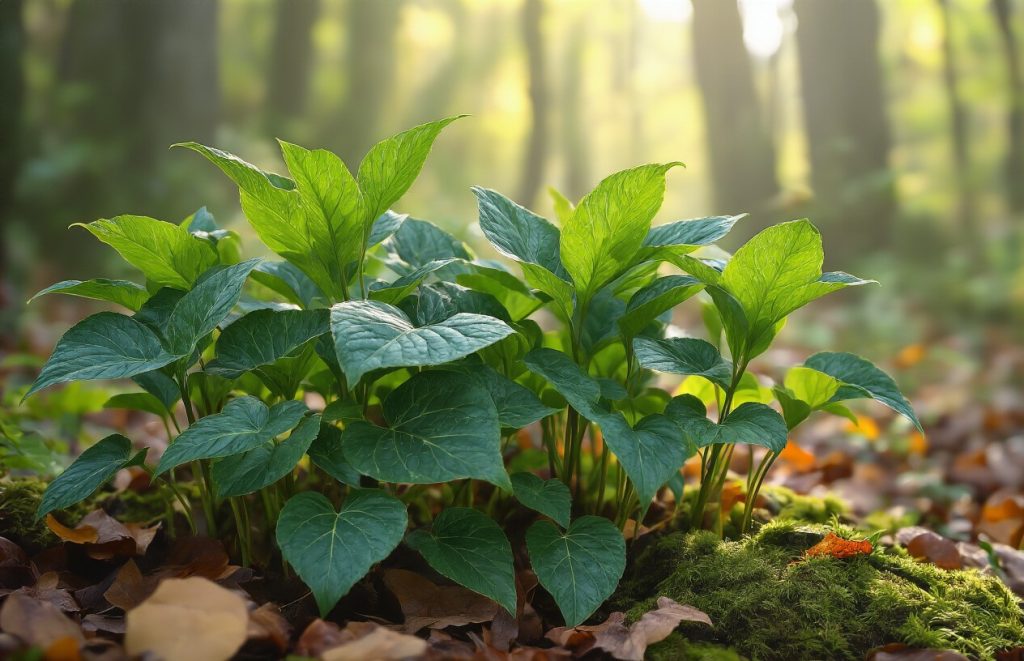
Wild ginger brings something completely different to your wedding centerpieces with its stunning heart-shaped leaves. These glossy, dark green leaves create beautiful patterns that catch the light and add visual interest beyond what traditional flowers offer. The leaves grow in perfect symmetrical shapes, almost like nature’s own Valentine’s Day cards, making them perfect for romantic wedding settings.
Each leaf displays intricate veining that creates natural artwork on your tables. The deep emerald color provides a rich backdrop that makes other wildflowers pop, while the waxy surface reflects candlelight beautifully during evening receptions. Wild ginger leaves stay fresh-looking longer than many delicate petals, giving your arrangements lasting power throughout your celebration.
Ground-level perspective creates intimate table settings
Since wild ginger grows close to the forest floor, it naturally creates low, sprawling arrangements that encourage conversation across your tables. This ground-hugging growth habit makes it perfect for centerpieces that won’t block your guests’ view of each other. The leaves fan out horizontally, creating a natural tablecloth effect that draws the eye inward toward the center of your arrangement.
This low profile works especially well for long harvest tables or intimate round settings where you want guests to feel connected. The heart-shaped leaves seem to point toward each other, creating a sense of unity and bringing people together – exactly what you want at your wedding celebration.
Combining with taller wildflowers for layered looks
Wild ginger shines as the foundation layer in multi-level arrangements. Start with a base of ginger leaves, then add medium-height flowers like wild bergamot or fire pink, and finish with tall stems of wild columbine or trillium. This creates depth and movement that keeps guests discovering new details throughout the evening.
The dark foliage makes bright wildflower colors appear more vibrant by comparison. Purple bergamot looks richer against the deep green backdrop, while white trillium appears more luminous. You can cluster three to five ginger plants as your base, then weave taller stems throughout for a natural, just-picked-from-the-woods feeling that captures the essence of East Tennessee’s beautiful landscapes.
Practical Tips for Harvesting and Arranging Success
Optimal collection times and sustainable practices
Early morning hours between 6-9 AM offer the best harvesting window when stems are fully hydrated and temperatures remain cool. This timing preserves the flowers’ natural vitality and extends their vase life significantly. Plan your collection for the day before your wedding or ceremony to maintain peak freshness.
Always harvest with sharp, clean garden shears or floral snips to create clean cuts that won’t damage the plant’s water uptake system. Target mature flowers that are just beginning to open rather than fully bloomed specimens, as they’ll continue developing in your arrangements.
Practice sustainable collection by taking no more than one-third of any plant’s flowers, leaving plenty for continued growth and local wildlife. Focus on areas where wildflowers grow abundantly rather than depleting sparse populations. Consider partnering with local nature centers or botanical gardens that may allow controlled harvesting from their grounds.
Bring a bucket filled with cool water to immediately place cut stems, preventing air bubbles from forming in the stem’s vascular system. Cut stems underwater at a 45-degree angle to maximize water absorption surface area.
Conditioning techniques to maximize freshness
Proper conditioning extends wildflower life from mere hours to several days. Start by re-cutting each stem underwater using sharp floral shears, removing at least one inch from the bottom at a diagonal angle. This fresh cut eliminates any air bubbles that formed during initial harvesting.
Remove all foliage that would sit below the waterline in your arrangements to prevent bacterial growth. Strip leaves carefully to avoid damaging the delicate stems, leaving only top foliage for visual impact.
Place conditioned stems immediately into buckets filled with lukewarm water mixed with commercial floral preservative or a homemade solution of one teaspoon bleach, one teaspoon sugar, and two teaspoons lemon juice per quart of water. This mixture provides nutrients while preventing bacterial buildup.
Store prepared stems in a cool location away from direct sunlight and heat sources. A basement, garage, or dedicated floral cooler works perfectly. Keep containers topped off with fresh preservative solution, as wildflowers consume water rapidly during their first 24 hours after cutting.
For particularly delicate species like Trillium or Bloodroot, wrap stems loosely in damp newspaper before storing to maintain humidity levels around the flowers themselves.
Container selection that enhances natural beauty
Choose vessels that complement wildflowers’ organic, unstructured appearance rather than competing with their natural charm. Mason jars, vintage milk bottles, wooden boxes lined with glass inserts, and rustic ceramic vessels work beautifully for East Tennessee wildflower arrangements.
Glass containers showcase stem details and create visual lightness that won’t overwhelm delicate blooms. Clear vessels also make it easier to monitor water levels and cleanliness throughout your event. Consider varying heights within your centerpiece collection to create visual interest across table settings.
Natural materials like birch bark wraps, burlap sleeves, or twine accents can transform simple glass containers into rustic focal points. Avoid overly ornate or metallic finishes that clash with wildflowers’ subtle beauty.
Size containers appropriately for your flower quantities – overcrowded arrangements stress stems and reduce longevity, while undersized vessels can’t provide adequate water for thirsty wildflowers. Plan for one stem per inch of container diameter as a general guideline.
Wide-mouthed containers work better than narrow vases for wildflower arrangements, allowing stems to spread naturally without forcing unnatural positioning that can damage delicate tissues.
Timeline planning for wedding day preparation
Create a detailed schedule working backward from your ceremony time to ensure fresh, beautiful arrangements. Begin scouting and marking harvest locations one week before your event, noting bloom stages and planning collection routes.
Two days before: Gather all containers, conditioning supplies, and tools. Prepare floral preservative solutions and set up your workspace in a cool, well-lit area.
Day before: Harvest in early morning, condition immediately, and store properly. Complete any time-consuming prep work like container decoration or complex arrangement foundations.
Wedding morning: Perform final arrangement assembly 2-4 hours before guests arrive. This timing allows flowers to settle naturally while maintaining peak freshness. Transport arrangements in sturdy boxes with towels to prevent shifting during setup.
Assign a reliable helper to handle flower transport and placement, freeing you for other last-minute preparations. Provide clear setup diagrams and backup containers in case of unexpected breakage.
Keep a few extra conditioned stems available for quick repairs or last-minute additions. Store these backup flowers in water until needed, then simply trim and insert where required.
Conclusion
East Tennessee’s native wildflowers offer an incredible opportunity to create wedding centerpieces that are both breathtaking and meaningful. From the classic elegance of Trillium and Bloodroot’s pure white blooms to the dramatic flair of Fire Pink’s bold red petals, these seven wildflowers bring natural beauty and local charm to your special day. Wild Columbine adds those perfect delicate blue touches, while Wild Bergamot fills the air with lovely fragrance, and Wild Ginger provides unique textural interest with its distinctive heart-shaped leaves.
The best part about choosing these native blooms is that they’re already perfectly suited to your local environment and can be harvested sustainably when done thoughtfully. Start planning your wildflower centerpieces early in the season, and don’t forget to check local regulations before harvesting. With proper timing and care, these stunning East Tennessee wildflowers will create wedding decor that’s not only gorgeous but also tells the story of your local landscape and creates lasting memories rooted in the natural beauty of your home region.
Happy Wedding Day,
Sheila
5428 Salem Church Rd.
Knoxville, Tn 37938