
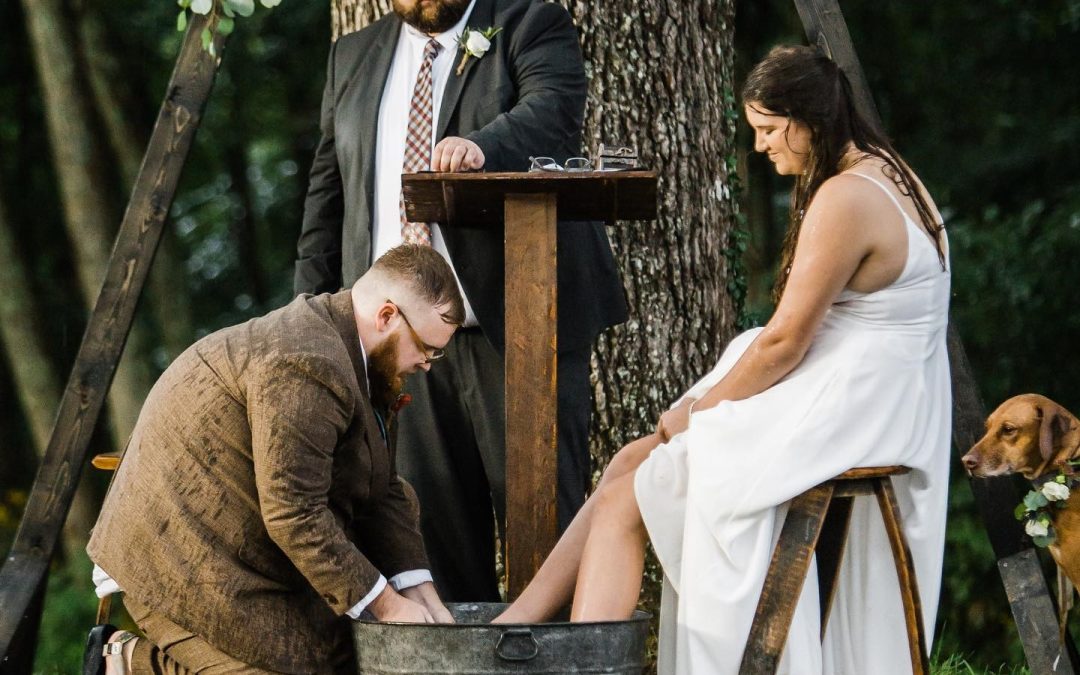
Foot washing ceremonies are making a beautiful comeback in modern weddings, offering couples a meaningful way to symbolize service, humility, and mutual care. This ancient ritual resonates with engaged couples who want to add spiritual depth and intentional symbolism to their special day, regardless of their religious background.
This blog is perfect for couples planning their wedding ceremony, wedding planners seeking fresh ideas, and anyone curious about incorporating meaningful traditions into their celebration. You’ll discover how to weave this intimate act into your wedding timeline, create the right atmosphere for your foot washing ritual, and handle the practical details that make the ceremony flow smoothly. We’ll also cover ways to personalize the experience and communicate with your guests about this special moment.
Understanding the Significance of Foot Washing in Modern Ceremonies
Biblical and Historical Origins of the Tradition
Foot washing has deep roots that stretch back thousands of years, originating in ancient Middle Eastern cultures where washing guests’ feet was a basic act of hospitality. In biblical times, this practice held special significance when Jesus washed his disciples’ feet during the Last Supper, demonstrating servant leadership and love through humble service.
The act appears throughout scripture, from Abraham welcoming strangers to Mary of Bethany anointing Jesus’ feet. Early Christian communities continued this tradition as a sacrament, with some denominations maintaining foot washing ceremonies to this day. What makes this ritual particularly powerful is how it transforms a simple act of cleanliness into something profoundly spiritual and meaningful.
Many couples today draw inspiration from these historical foundations, finding that the ancient practice speaks to timeless values that transcend religious boundaries. The tradition has evolved beyond its original context while maintaining its core message of selfless love and mutual care.
Symbolic Meaning of Humility and Service
At its heart, foot washing represents a complete reversal of typical power dynamics. When you kneel to wash your partner’s feet, you’re choosing vulnerability over pride and service over being served. This physical act of lowering yourself creates a powerful visual metaphor for the kind of marriage you’re committing to build together.
The symbolism runs deeper than just humility. You’re literally taking the lowest position to care for the part of your partner’s body that touches the ground – the part that gets dirty from walking through life. This represents your willingness to help carry each other’s burdens and to find beauty in caring for each other during life’s messiest moments.
Many couples find that this gesture speaks louder than traditional vows because it requires action, not just words. You can’t fake the vulnerability of kneeling before someone or the tenderness required to gently wash and dry their feet.
Creating Deeper Intimacy Between Partners
Foot washing creates an incredibly intimate moment that goes beyond physical touch. When you’re focused entirely on your partner’s comfort and care, you enter a space of complete presence and attention. This level of focused intimacy often surprises couples with its emotional intensity.
The ritual naturally slows down time in a way that few other wedding moments can match. While most ceremony elements move quickly, foot washing requires patience and mindfulness. You’ll find yourselves making eye contact, sharing quiet smiles, and experiencing a type of connection that feels both ancient and entirely personal.
This intimacy extends beyond the ceremony itself. Couples who include foot washing often report feeling more connected and grounded in their relationship afterward. The memory of that tender moment becomes a touchstone they can return to during challenging times in their marriage.
Breaking Down Barriers and Social Expectations
Modern weddings often feel constrained by traditions that don’t reflect who couples really are. Foot washing offers a beautiful way to break free from conventional expectations while creating something genuinely meaningful. This ritual challenges guests to witness love expressed through service rather than just celebration.
The practice also breaks down gender roles and social hierarchies in powerful ways. Whether you’re both washing each other’s feet or taking turns, you’re demonstrating equality and mutual respect. This can be especially meaningful for couples who want their wedding to reflect their values of partnership and shared responsibility.
For many guests, witnessing a foot washing ceremony becomes a transformative experience that challenges their own understanding of love and commitment. You’re not just getting married – you’re modeling a different way of approaching relationships based on humility, service, and genuine care for each other’s well-being.
Choosing the Perfect Timing for Your Foot Washing Ritual
Before the Ceremony as Part of Getting Ready
Starting your wedding day with a foot washing ritual creates a powerful moment of connection before the whirlwind of ceremony activities begins. This intimate timing allows couples to center themselves and focus on their commitment without the pressure of an audience.
Many couples find the getting-ready period to be surprisingly stressful, with photographers capturing every moment and wedding party members bustling around. A private foot washing ritual offers a peaceful pause from this chaos. You can incorporate this special moment into your morning routine, perhaps after your first look photos or before putting on your shoes.
Consider designating a quiet space in your venue – maybe a bridal suite, groom’s room, or even a secluded outdoor area. The beauty of this timing lies in its spontaneity and authenticity. You’re not performing for guests; you’re genuinely preparing your hearts for marriage.
This approach works particularly well if you want to maintain traditional ceremony elements while still incorporating the foot washing symbolism. Your photographer can capture these tender moments without disrupting the formal ceremony flow.
During the Wedding Ceremony Instead of Unity Candle
Replacing traditional unity elements like candle lighting or sand ceremonies with foot washing creates a uniquely meaningful centerpiece for your wedding ceremony. This timing gives your ritual maximum symbolic weight and allows all your guests to witness this act of service and humility.
Position this ritual immediately after your vows but before exchanging rings. The natural progression from spoken promises to physical acts of service creates a powerful narrative arc. Your officiant can explain the symbolism to guests, helping them understand the deeper meaning behind what they’re witnessing.
Setup becomes crucial when incorporating foot washing into your ceremony. You’ll need a small table or stand with a basin, pitcher of warm water, and towels positioned prominently near your altar area. Consider the visual aesthetics – choose vessels that complement your wedding decor and color scheme.
The ceremony timing requires careful coordination with your officiant and wedding party. Practice the logistics beforehand, including how you’ll remove shoes gracefully and who will assist with water pouring. Some couples choose to wash each other’s feet simultaneously, while others take turns, allowing each partner to experience both serving and being served.
Weather considerations become important for outdoor ceremonies. Have backup plans for keeping water warm and protecting the ritual space from wind or unexpected precipitation.
Private Moment During Reception Dinner
Scheduling your foot washing ritual during a quiet moment at your reception creates an intimate interlude within the celebration. This timing works especially well during dinner service when guests are seated and engaged in conversation, allowing you to slip away unnoticed.
Many couples choose the period between dinner courses or during a natural lull in reception activities. You can coordinate with your venue or wedding coordinator to identify the perfect 10-15 minute window when your absence won’t disrupt the flow of events.
Designate a private space near your reception venue – perhaps a quiet corner of the venue, a bridal suite, or an adjacent room. This location should be easily accessible but removed enough from reception noise to maintain the ritual’s sacred atmosphere.
The spontaneous nature of this timing allows for genuine emotion without performance pressure. Your photographer can capture these moments discretely, or you might choose to keep this ritual completely private between you and your partner.
Consider having your wedding party or parents briefly cover for you during this time, making light conversation with guests who might notice your temporary absence. Most guests will be engaged in their own dinner conversations and won’t realize you’ve stepped away.
This timing also allows you to change clothes if needed – perhaps removing formal shoes that would be difficult to wash around or changing into more comfortable attire for the remainder of your reception festivities.
Selecting the Right Setting and Setup for Maximum Impact
Creating an Intimate Space Within Your Venue
The key to a meaningful foot washing ceremony lies in carving out a sacred pocket within your wedding venue. Whether you’re getting married in a grand ballroom or a backyard garden, you can transform any space into an intimate sanctuary. Start by identifying a quiet corner or designated area where you and your partner can focus on each other without feeling exposed to the entire gathering.
Consider using fabric draping or decorative screens to create visual boundaries. Sheer curtains in soft whites or ivory can define the space while maintaining an airy, romantic feel. For outdoor venues, natural elements like tall potted plants or flowering branches can serve as gentle barriers that blend seamlessly with the environment.
The ground covering deserves special attention. A beautiful area rug, vintage Persian carpet, or even scattered rose petals can elevate the space from ordinary to extraordinary. Choose textures and colors that complement your wedding theme while providing comfort for both partners during the ceremony.
Choosing Appropriate Seating and Basin Arrangements
Your seating arrangement directly impacts the comfort and flow of the foot washing ritual. Two matching chairs positioned at the right height and distance create the foundation for a smooth ceremony. The chairs should be sturdy enough to prevent wobbling but elegant enough to photograph beautifully.
Consider the logistics carefully: one partner will be seated while the other kneels or sits on a lower stool. Test different heights beforehand to ensure the person washing can comfortably reach without straining their back or knees. A small cushion or kneeling pad can make the experience more comfortable for the person performing the washing.
The basin placement requires strategic thinking. Position it on a stable surface between the chairs, such as a decorative side table or sturdy wooden box. The basin should be large enough for feet but not so deep that water splashes. Materials like ceramic, copper, or silver create beautiful visual appeal while serving their practical purpose.
| Seating Option | Pros | Considerations |
| Matching Armchairs | Elegant, comfortable | May be too tall for basin access |
| Vintage Wooden Chairs | Rustic charm, sturdy | Check height compatibility |
| Cushioned Bench + Stool | Flexible positioning | Test stability beforehand |
Incorporating Natural Elements Like Flowers and Soft Lighting
Natural elements breathe life and warmth into your foot washing ceremony space. Fresh flowers scattered around the area create a garden-like atmosphere that feels both romantic and sacred. Consider using blooms that match your wedding bouquet or choosing symbolic flowers like white roses for purity or lavender for peace.
Lighting sets the entire mood for your ceremony. Harsh overhead lights can feel clinical and impersonal. Instead, opt for warm, diffused lighting that creates an intimate glow. String lights draped overhead or wrapped around nearby trees add magic to outdoor ceremonies. For indoor venues, table lamps with soft bulbs or battery-operated LED candles provide gentle illumination without fire hazards.
Candles remain the gold standard for romantic ambiance. Group pillar candles of varying heights around your ceremony space, or place floating candles in glass bowls filled with water and flower petals. The flickering light creates movement and visual interest while maintaining the sacred atmosphere you’re seeking.
Ensuring Privacy While Allowing Witness Participation
Balancing intimacy with inclusion requires thoughtful planning. Your foot washing ceremony should feel personal and meaningful to you both while allowing your guests to witness this beautiful tradition. The solution lies in creating graduated levels of proximity and involvement.
Position your ceremony space so guests can observe from a respectful distance. This might mean placing your intimate area at the front of your ceremony space with guest seating arranged in a semicircle, or creating a central focal point that guests can surround at an appropriate distance.
Consider designating specific roles for close family members or your wedding party. They might hold towels, pour water into the basin, or read meaningful passages during the ceremony. This involvement helps them feel connected to the ritual without intruding on your private moment.
Audio considerations matter too. If you plan to speak to each other during the foot washing, decide whether these words should be shared with your guests or kept between yourselves. A sound system can amplify your words if you want everyone to hear, or you can keep your conversation intimate while soft background music plays for your guests.
The physical setup should allow for natural photography angles while maintaining your privacy. Work with your photographer beforehand to identify the best positions for capturing the ceremony without feeling intrusive or requiring guests to crane their necks for a view.
Making the Ritual Comfortable for Both Partners
Discussing Expectations and Boundaries Beforehand
Before your wedding day arrives, sit down with your partner for an honest conversation about the foot washing ceremony. Talk through what this ritual means to both of you and address any concerns either person might have. Some people feel uncomfortable with the intimate nature of foot washing, especially in front of guests, while others worry about the physical aspects like ticklishness or self-consciousness about their feet.
Establish clear boundaries about comfort levels. Decide who will wash whose feet first, how long the ritual will last, and what feels appropriate for your relationship dynamic. Discuss whether you want this to be a silent, meditative moment or if you’d like to include spoken words or vows. Some couples choose to whisper private affirmations to each other during the ceremony, while others prefer the symbolic act to speak for itself.
Address practical concerns too. If one partner has mobility issues, foot injuries, or medical conditions that might make traditional foot washing challenging, brainstorm modifications together. You might choose to wash hands instead or adapt the positioning to ensure both people feel dignified and comfortable throughout the process.
Preparing Your Feet for the Ceremony
Good foot preparation goes beyond basic hygiene, though that’s certainly important. Start your foot care routine a few weeks before the wedding to avoid any last-minute issues. Schedule a professional pedicure about a week before the ceremony to ensure your nails are properly trimmed and your feet look their best.
On your wedding day, give your feet a thorough but gentle cleaning. Avoid using heavily scented lotions or oils that might make your feet slippery during the ceremony. If you typically have dry feet, moisturize lightly the night before rather than the day of the wedding.
Consider any foot-related sensitivities you or your partner might have. If someone is particularly ticklish, practice gentle touching techniques beforehand. Some people find that focusing on breathing and the symbolic meaning helps them stay relaxed during the actual ceremony.
| Foot Preparation Timeline | Tasks |
| 2 weeks before | Begin daily moisturizing routine |
| 1 week before | Professional pedicure |
| Night before | Light moisturizing, gentle exfoliation |
| Wedding day | Clean thoroughly, avoid heavy lotions |
Choosing Comfortable Clothing That Allows Easy Access
Your wedding attire needs to accommodate the foot washing ritual without creating awkward moments or wardrobe malfunctions. For partners wearing dresses, consider the length and style carefully. A dress that’s too long might drag in the water basin, while one that’s too short could create modesty concerns when bending or kneeling.
Think about undergarments and how they’ll work with the movements required for foot washing. If you’re planning to kneel, make sure your clothing allows for this position gracefully. Some couples choose to change into more ceremonial or casual clothing specifically for the foot washing portion of their wedding.
Footwear becomes especially important since you’ll need to remove shoes and possibly socks or hosiery. Avoid complicated straps, tall boots, or anything that takes significant time to remove. Simple slip-on shoes or sandals work best. If you’re wearing pantyhose or tights, consider whether you want to remove them entirely or if you have alternatives that won’t create uncomfortable situations.
For partners wearing suits or formal wear, ensure pants can be rolled up easily without looking disheveled. Some couples opt for shorter hemlines or choose to remove socks beforehand to streamline the process.
Practicing the Movements to Reduce Wedding Day Anxiety
Rehearsing the physical aspects of foot washing helps both partners feel more confident and natural during the actual ceremony. Practice the basic movements at home using a simple basin and towels. Work through the sequence of removing shoes, positioning yourselves comfortably, and performing the washing motions.
Focus on finding positions that feel sustainable and dignified for both people. Some couples prefer both partners to sit in chairs facing each other, while others choose for one person to kneel while the other sits. Experiment with different arrangements to see what feels most comfortable and meaningful for your relationship.
Practice the transitions between different parts of the ceremony. How will you move from the washing to the drying? Who will handle the towels, and where will they be placed? These small details can create smoother, more graceful moments during your actual wedding.
Run through the timing as well. A rushed foot washing ceremony loses its contemplative quality, while one that drags on might feel uncomfortable for both participants and guests. Most couples find that 3-5 minutes creates the right balance of meaningfulness without awkwardness.
Consider practicing with your officiant or wedding coordinator if they’ll be guiding the ceremony. Having someone else present during practice can help you get comfortable with the more public nature of the ritual and work out any logistical kinks before your wedding day.
Personalizing Your Foot Washing Ceremony
Writing Custom Vows for the Ritual
Creating personalized vows specifically for your foot washing ceremony transforms this ancient practice into something uniquely yours. Unlike traditional wedding vows, these should focus on service, humility, and the commitment to care for one another through all of life’s journeys. Consider speaking about what it means to walk alongside each other, to support one another when the path gets difficult, or to honor the ground your partner treads.
Your foot washing vows might include promises like “I wash your feet as a symbol of my commitment to serve you with love,” or “Just as I cleanse your feet today, I promise to help wash away your worries and fears.” Some couples choose to alternate speaking while performing the ritual, creating a beautiful call-and-response moment that feels both intimate and powerful.
Write your vows in advance, but don’t feel pressured to memorize them perfectly. Having them written on waterproof cards nearby ensures you can reference them without worry about water damage. Keep them shorter than your main ceremony vows, typically 30-60 seconds each, to maintain the ritual’s meditative quality.
Selecting Meaningful Music or Readings
The right soundtrack elevates your foot washing ceremony from a simple act to a transcendent moment. Choose music that speaks to themes of service, love, and spiritual connection. Classical pieces like “Ave Maria” or contemporary songs such as “Servant’s Heart” by The McClures create beautiful atmospheres for the ritual.
Consider instrumental versions of meaningful songs from your relationship, perhaps the first song you danced to, reimagined as a gentle piano arrangement. Many couples find that acoustic guitar or harp music provides the perfect backdrop, as these instruments won’t overpower the intimate nature of the ceremony.
Scripture readings, poetry, or excerpts from literature can also enhance the experience. Popular choices include 1 Corinthians 13, excerpts from “The Prophet” by Kahlil Gibran, or even meaningful lyrics from songs that have shaped your relationship. If you’re having an officiant guide the ceremony, they can read these selections while you perform the ritual, creating a layered experience of word and action.
Including Family Heirlooms or Special Vessels
Transform ordinary basins and towels into treasured ceremony elements by incorporating pieces with personal significance. Your grandmother’s silver pitcher, a ceramic bowl crafted by a family friend, or even a simple wooden basin that speaks to your aesthetic can become the centerpiece of your ritual.
Many couples choose to use vessels that will continue serving a purpose in their married life, perhaps a beautiful ceramic bowl that will later hold fruit on your kitchen counter, or matching pitchers that can become part of your home décor. This creates a lasting reminder of your wedding day commitment every time you see these items.
Consider the practical aspects alongside sentimentality. The vessel needs to be large enough to comfortably fit feet and hold sufficient water, while any pouring containers should have good grip and control. If using family heirlooms, have a backup plan in case of accidents, emotions run high during ceremonies, and hands can become slippery.
Some couples commission custom pieces from local artisans, creating something entirely new that reflects their personal style while becoming tomorrow’s family heirloom.
Adding Cultural Elements That Honor Your Heritage
Weaving cultural traditions into your foot washing ceremony creates a rich tapestry that honors your backgrounds while embracing this meaningful ritual. Different cultures have various cleansing and hospitality traditions that can beautifully complement foot washing.
If you have Middle Eastern heritage, you might incorporate the traditional welcome ritual of offering water to guests, expanding it to include this intimate act between partners. Hispanic couples often include elements of “las arras” (unity coins) by placing meaningful stones or coins in the water basin. Asian traditions might inspire the use of specific flowers or herbs in the washing water, each carrying symbolic meaning for your marriage.
Native American couples sometimes include sage or sweetgrass in their ceremony, while Celtic traditions might inspire the use of specific prayers or the incorporation of handfasting elements alongside the foot washing. African traditions could include the pouring of libations or the use of specific textiles as ceremonial towels.
Research your family histories and cultural backgrounds to discover traditions that resonate with you both. Even simple elements, like using water collected from meaningful locations, incorporating specific colors that hold cultural significance, or including prayers in your ancestral languages, can create powerful connections to your heritage.
Creating Unique Touches That Reflect Your Relationship
Your foot washing ceremony should tell your love story in ways that feel authentic to your journey together. Think about the moments, places, and experiences that have shaped your relationship, then find creative ways to weave these elements into the ritual.
If you met while hiking, consider using a basin made from natural stone or incorporating water collected from a meaningful trail. Beach lovers might include sand from the shore where you got engaged, while city couples could use architectural elements that reflect your urban love story.
Personal touches can be subtle yet powerful. Maybe you add a few drops of essential oil that reminds you of your first vacation together, or use towels embroidered with coordinates of where you first said “I love you.” Some couples write each other’s names in the water using flower petals or include small tokens that represent their hopes for their future together.
Consider your shared interests and hobbies. Musicians might time the ritual to a song they wrote together, while travelers could incorporate elements from places they’ve visited. The key is choosing elements that feel genuine to your relationship rather than forced or overly complicated.
Document your choices and their meanings, these details will become precious memories years later and wonderful stories to share with future generations about how you made this ancient ritual uniquely your own.
Handling Practical Logistics and Guest Communication
Preparing Your Wedding Party for the Ceremony
Your wedding party needs advance notice and clear understanding of what the foot washing ceremony involves. Schedule a conversation with your wedding party at least one month before the ceremony, explaining the spiritual significance and what their role will be during this intimate moment. Most couples choose to have their wedding party step back slightly to provide privacy while still maintaining their supportive presence.
Consider providing your bridesmaids and groomsmen with printed cards that outline the ceremony flow. This prevents awkward moments where they’re unsure when to move or where to stand. Your maid of honor and best man can play crucial roles by helping with practical elements like holding the towel, ensuring water temperature remains appropriate, or gently guiding guests who seem confused about the process.
Some couples assign specific responsibilities to different members of their wedding party:
- Maid of Honor: Assists with arranging the bride’s dress and ensuring comfort
- Best Man: Handles any musical cues or timing coordination
- Bridesmaids: Create a gentle barrier for privacy while remaining close enough to assist
- Groomsmen: Help manage the setup and ensure all materials are properly positioned
Explaining the Tradition to Unfamiliar Guests
Many guests will encounter foot washing ceremonies for the first time at your wedding. Include a brief explanation in your wedding program that covers the biblical origins and your personal reasons for choosing this ritual. Keep the explanation warm and welcoming rather than overly religious or academic.
Your program might include language like: “John and Sarah will participate in a foot washing ceremony, symbolizing their commitment to serve one another with humility and love throughout their marriage. This tradition dates back to biblical times and represents the couple’s desire to put each other’s needs first.”
Consider having your officiant provide a short introduction before the ceremony begins. A 30-second explanation can prevent confusion and help guests understand they’re witnessing something deeply meaningful rather than unusual. The officiant might say something like: “We’ll now witness John and Sarah participate in a foot washing ceremony, a beautiful tradition that represents their commitment to serve one another with love and humility.”
For guests who might feel uncomfortable or unfamiliar with religious traditions, your program can include a note that this is a personal choice reflecting your values as a couple. This approach welcomes all guests while honoring your beliefs.
Managing Time Constraints Within Your Wedding Schedule
Foot washing ceremonies typically require 3-5 minutes, but planning for 7-8 minutes prevents feeling rushed. Work closely with your wedding coordinator and officiant to determine the best placement within your ceremony timeline. Most couples find success placing it after the ring exchange but before the final blessing and kiss.
Create a detailed timeline that includes:
- Setup time (2 minutes before ceremony begins)
- Officiant introduction (30 seconds)
- Actual foot washing (4-5 minutes)
- Cleanup transition (1 minute)
| Timeline Element | Duration | Responsibility |
| Pre-ceremony setup | 2 minutes | Wedding coordinator |
| Officiant introduction | 30 seconds | Officiant |
| Foot washing ritual | 4-5 minutes | Couple |
| Transition cleanup | 1 minute | Wedding party |
Weather considerations are important for outdoor ceremonies. Have backup indoor locations ready and waterproof materials prepared. Cold weather requires heated water and quick transitions to prevent discomfort.
Photography timing needs special attention. Discuss specific shots with your photographer beforehand, ensuring they capture meaningful moments without being intrusive. Many photographers appreciate knowing exactly when to position themselves for the best angles while respecting the ceremony’s intimate nature.
Build buffer time into your schedule for unexpected moments. Emotional responses, technical difficulties with water temperature, or longer-than-expected setup can add minutes to the process. Your wedding day timeline should accommodate these possibilities without creating stress or rushing subsequent events.
Last Thoughts
Foot washing ceremonies bring a beautiful depth of meaning to modern weddings, creating an intimate moment of service and humility between partners. From choosing the right timing and setting to personalizing every detail, this ritual can become one of the most memorable parts of your special day. The key lies in making both you and your partner comfortable while clearly communicating with your guests about what to expect.
Start planning early to handle all the practical details smoothly, from selecting the perfect basin and towels to deciding whether you want this moment private or shared with your loved ones. Your foot washing ceremony should reflect your unique relationship and values, so don’t be afraid to add personal touches that make it truly yours. When done thoughtfully, this ancient tradition becomes a powerful symbol of the love, respect, and commitment you’re promising each other.
Happy Wedding Day,
Sheila
5428 Salem Church Rd.
Knoxville, Tn 37938
Photo by: Amber Lowe Photography