
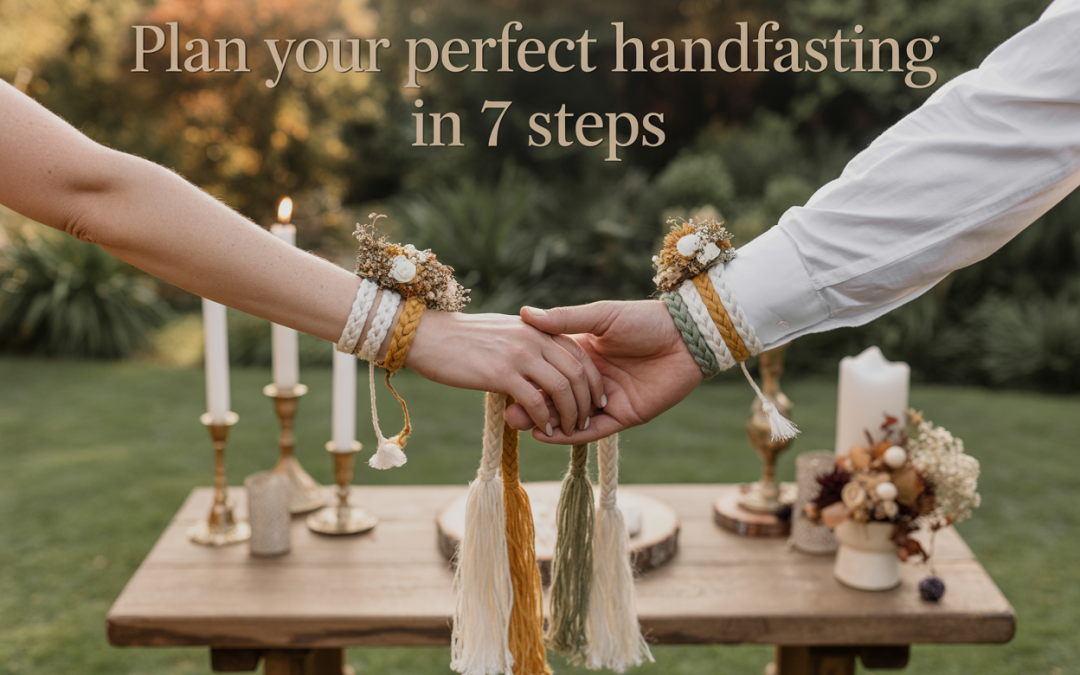
Planning a handfasting ceremony lets you create a meaningful, personalized wedding that reflects your unique love story. This ancient Celtic tradition of binding hands has become popular with couples seeking alternatives to traditional weddings or wanting to add spiritual depth to their celebration.
This blog is for engaged couples who want to plan their own handfasting ceremony, spiritual seekers exploring alternative wedding options, and anyone curious about this beautiful ritual tradition.
You’ll discover how to design meaningful handfasting cords that tell your story and choose the perfect venue and timing that matches your vision. We’ll also walk you through the legal considerations you need to know and how to create an unforgettable guest experience that honors this sacred tradition.
Define Your Handfasting Vision and Meaning
Choose between traditional Celtic or modern personalized approach
Celtic handfasting ceremonies carry deep historical roots, originating from ancient Gaelic traditions where couples would bind their hands together with cords or ribbons during betrothal rituals. These ceremonies often featured specific elements like the exchanging of vows at sacred sites, the blessing of cords by Celtic priests, and the symbolic tying of knots that represented different aspects of the union. Traditional Celtic handfasting typically included elements like oak branches for strength, ivy for fidelity, and wheat for prosperity.
Modern personalized approaches allow couples to create their own meaningful ceremony by blending various cultural traditions, personal beliefs, and contemporary elements. You might incorporate handfasting alongside other cultural practices from your heritage, include readings from favorite books or poems, or create entirely new rituals that reflect your shared interests and values. Some couples choose to write their own binding vows, select cords in colors that hold personal significance, or include family heirlooms in the ceremony.
The beauty of modern handfasting lies in its flexibility. You can honor ancient traditions while making the ceremony uniquely yours. Consider which elements from both approaches resonate with your relationship story and values.
Determine the spiritual or symbolic significance for your relationship
The spiritual dimension of handfasting varies greatly depending on your beliefs and relationship journey. For some couples, the ceremony represents a sacred covenant blessed by divine forces, while others view it as a powerful symbol of human commitment and partnership. Some traditions often emphasize the connection to nature, the elements, and seasonal cycles, with ceremonies timed around solstices or equinoxes.
Christian couples might incorporate prayers, biblical readings, and blessings into their handfasting, viewing the cord binding as a physical representation of the scriptural concept that “a cord of three strands is not quickly broken.” Secular couples often focus on the psychological and emotional symbolism of literally tying their lives together, creating a tangible moment that marks their transition into deeper commitment.
Consider what spiritual or symbolic elements matter most to your relationship. Think about shared values, meaningful experiences you’ve had together, or life philosophies that guide your partnership. These reflections will help shape the tone and content of your ceremony, ensuring it authentically represents your bond.
Decide on binding duration and commitment level
Handfasting offers flexibility in commitment duration that differs from traditional marriage. Historically, Celtic handfasting served as a trial marriage lasting “a year and a day,” after which couples could choose to make their union permanent or part ways without social stigma. Today, couples can design their own timeline and commitment structure.
Some modern handfasting ceremonies represent permanent, lifelong commitments equivalent to legal marriage. Others might symbolize engagement, a commitment to explore deeper partnership, or renewal of existing vows. You might choose a specific duration like one year, seven years, or until certain relationship goals are achieved together.
The legal implications also require consideration. In most jurisdictions, handfasting alone doesn’t create legal marriage status, so couples seeking legal recognition need separate civil ceremonies or marriage licenses. However, some locations recognize handfasting performed by licensed officiants as legally binding marriages.
Discuss openly what level of commitment feels right for your relationship at this time. Consider your long-term goals, current life circumstances, and personal comfort with different types of promises. Your handfasting can always evolve into deeper commitment later, making it a beautiful stepping stone in your relationship journey.
Select the Perfect Venue and Timing
Research outdoor locations with natural beauty and privacy
Nature provides the most enchanting backdrop for handfasting ceremonies, with each setting offering its own unique energy and symbolism. Ancient groves with towering trees create a cathedral-like atmosphere, while meadows bursting with wildflowers symbolize new growth and fertility. Coastal locations bring the element of water, representing flow and adaptability in your union, while mountain settings offer stability and permanence.
When scouting locations, look for spaces that feel naturally enclosed or intimate. A clearing surrounded by tall trees, a secluded beach cove, or a private garden all create that sacred container essential for meaningful ritual work. Privacy matters not just for your comfort, but for the energy of the ceremony itself – you want guests focused on your vows rather than curious passersby.
Consider the acoustics of your chosen space. Open fields might require amplification, while natural amphitheaters created by hills or rock formations can enhance voices beautifully. Visit potential venues at the same time of day you plan to hold your ceremony to understand lighting conditions and ambient sounds.
Consider seasonal elements and weather backup plans
Each season brings distinct gifts to handfasting ceremonies. Spring ceremonies celebrate renewal and fresh beginnings, with budding flowers and gentle warmth. Summer offers long daylight hours and vibrant greenery, though heat and sudden storms require planning. Autumn provides stunning foliage and crisp air perfect for outdoor gatherings, while winter ceremonies can be magical with bare trees creating dramatic silhouettes.
Weather backup plans are non-negotiable for outdoor handfastings. Some couples embrace the elements – a light rain during handfasting is considered highly auspicious in many traditions, symbolizing fertility and cleansing.
Create a weather decision timeline: typically 48-72 hours before the ceremony, you’ll need to make the final call on location changes. Communicate this timeline clearly to all vendors and guests. Consider seasonal challenges like mud, extreme temperatures, or high winds when selecting a rain plan.
Evaluate venue accessibility for guests and ceremonial requirements
Your perfect forest clearing means nothing if older relatives can’t reach it or mobility-impaired guests feel excluded. Survey the terrain carefully, noting walking distances from parking areas, uneven ground, stairs, or steep inclines. Consider providing shuttle service for longer walks or arranging closer parking for those who need it.
Ceremonial requirements go beyond guest seating. Handfasting rituals often involve four directions, fire elements, or altar spaces that need specific positioning relative to natural features. Ensure your venue allows open flames if you’re planning a unity candle or cauldron ceremony. Some locations restrict certain ritual elements, so clarify these details during venue visits.
Think about practical needs: restroom facilities, electricity for sound systems, water access for ritual purposes, and level ground for altar setup. If your venue lacks these amenities, factor in rental costs for portable facilities, generators, or water containers for ceremonial cleansing.
Book your date accounting for permit requirements
Many public outdoor spaces require permits for ceremonies, even intimate gatherings. National parks, state forests, beaches, and municipal gardens often have specific application processes, fees, and restrictions. Start this process early – popular venues and dates book months in advance, and permit approval can take several weeks.
Research what your permit covers and what additional permissions you might need. Some permits allow ceremonies but restrict decorations, amplified music, or alcohol. Others limit guest counts or require additional insurance. Private venues like botanical gardens or historic estates have their own booking procedures and may offer ceremony packages that simplify planning.
Popular handfasting dates like Beltane (May 1st), summer solstice, or harvest festivals fill quickly. Having flexibility with dates gives you more venue options and potentially better rates. Weekend premiums are common, so weekday ceremonies can offer significant savings while maintaining the same magical atmosphere.
Check out our blog: Top Questions to Ask a Wedding Venue
Choose Your Officiant and Ceremony Structure
Find an experienced handfasting celebrant or spiritual leader
Your officiant will shape the entire energy of your handfasting ceremony, so choosing the right person deserves careful attention. Unlike traditional wedding officiants, handfasting celebrants often specialize in earth-based spirituality, Celtic traditions, or interfaith ceremonies. Many are trained in ancient Celtic customs and understand the spiritual significance behind binding rituals.
Unitarian Universalist congregations, or Celtic cultural organizations. Many experienced handfasting celebrants maintain websites showcasing their approach and previous ceremonies. Look for someone whose philosophy aligns with your vision – whether you want a deeply spiritual experience, a nature-focused ceremony, or a blend of traditions.
Schedule consultations with potential officiants to discuss their experience, pricing, and availability. Ask about their knowledge of different handfasting traditions and their comfort level with incorporating personal elements. A skilled celebrant will ask thoughtful questions about your relationship, spiritual beliefs, and ceremony goals to ensure they can create something meaningful for you.
Collaborate on personalized vows and ritual elements
Working with your officiant to craft personalized vows transforms your handfasting from generic to deeply personal. Many couples choose to write their own vows, drawing inspiration from Celtic poetry, nature imagery, or personal promises that reflect their unique journey together.
Your celebrant can guide you through traditional handfasting language while helping you adapt it to your modern relationship. Consider incorporating elements like blessing each other’s hands before the binding, exchanging rings alongside the cord ceremony, or including responsive readings where guests participate in your commitment.
Discuss symbolic elements that resonate with your relationship. Some couples include sand mixing ceremonies, candle lighting, or the sharing of bread and wine. Your officiant can suggest ritual elements from various traditions and help you weave them together seamlessly. Remember that handfasting ceremonies are highly customizable – you might include four elements (earth, air, fire, water) representation, seasonal decorations, or personal artifacts that tell your story.
Plan the ceremony flow and timing
A well-structured handfasting ceremony typically lasts 20-30 minutes, depending on the elements you include. Your officiant will help create a flow that feels natural and maintains guest engagement while honoring the spiritual significance of your commitment.
Most handfasting ceremonies follow this basic structure: processional, welcome and opening words, statement of intent, vow exchange, handfasting ritual with cord binding, ring exchange (if desired), blessing or closing words, and kiss/celebration. Within this framework, you can add musical interludes, readings, or additional rituals.
Timing considerations include the season (outdoor ceremonies work best), time of day (many couples prefer sunset or sunrise for their spiritual significance), and guest comfort. If your ceremony includes multiple ritual elements, practice the timing with your officiant beforehand. Consider creating a detailed timeline that includes setup, guest seating, photography moments, and transition to reception activities.
Incorporate meaningful traditions from your cultural backgrounds
Handfasting offers beautiful opportunities to honor your heritage while creating new traditions together. If you have Celtic ancestry, research clan-specific traditions like particular cord colors, family tartans, or ancient blessing words. Scottish couples might include bagpipes, while Irish families could incorporate Claddagh symbolism.
For couples from different cultural backgrounds, handfasting’s flexibility allows seamless blending of traditions. You might combine Celtic cord binding with unity rituals from other cultures, such as Native American smudging, Hindu flower garlands, or African jumping the broom. Your officiant can help research the historical context of different traditions and suggest respectful ways to honor multiple heritages.
Consider involving family members in the ceremony through cultural elements like having grandparents offer blessings in their native language, incorporating family heirloom fabrics into your handfasting cords, or including traditional foods in your post-ceremony celebration. These personal touches create a ceremony that truly reflects your combined histories while establishing new traditions for your future together.
Design Your Handfasting Cords and Ritual Elements
Select cord materials that reflect your relationship values
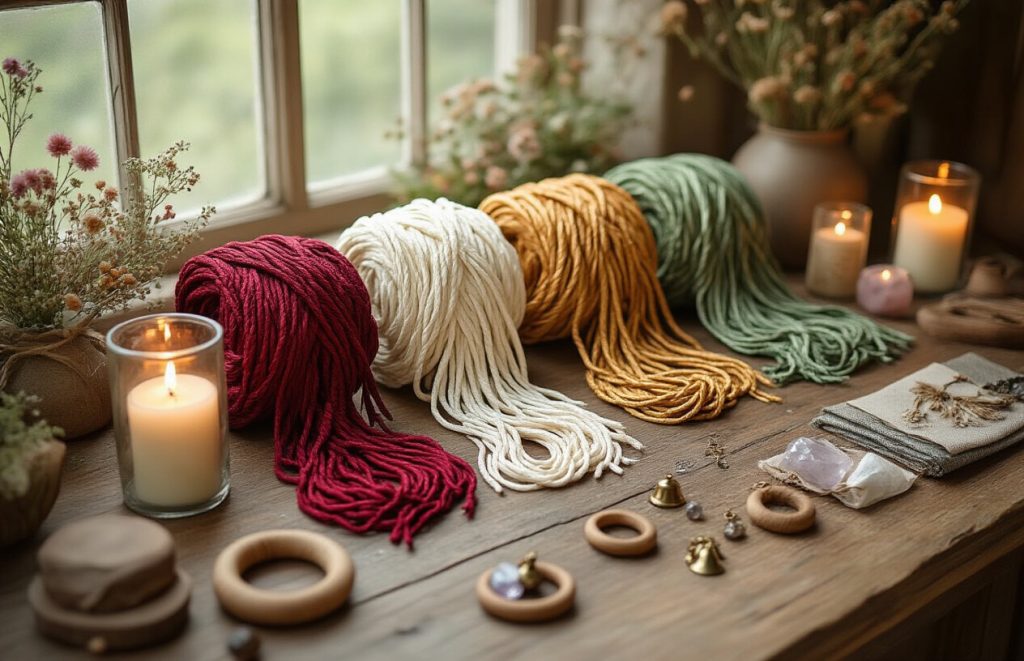
The materials you choose for your handfasting cords carry deep meaning and should reflect what matters most in your relationship. Natural fibers like hemp represent strength and durability, making them perfect for couples who value resilience and longevity. Cotton symbolizes comfort and everyday love, while silk brings elegance and represents the smooth flow of partnership.
Jute offers rustic charm and speaks to couples who appreciate simplicity and earthiness. Linen, one of the oldest textiles, represents purity and new beginnings. For those drawn to luxury, satin creates beautiful draping and catches light beautifully during photos.
Consider braided leather for couples who value tradition and strength or incorporate family heirloom materials like fabric from wedding dresses or meaningful textiles. Some couples weave in threads from clothing worn on their first date or pieces of fabric from travels together.
The texture matters too. Rough, natural fibers speak to couples who embrace life’s challenges together, while smooth materials represent harmony and ease. Multiple materials can be woven together to tell your unique story – perhaps combining your grandmother’s lace with sturdy rope to blend heritage with adventure.
Choose colors based on their symbolic meanings
Color selection transforms your handfasting cords into powerful symbols of your intentions and hopes for the marriage. Red represents passionate love, courage, and life force – perfect for fiery, intense relationships. White symbolizes purity, new beginnings, and spiritual connection, making it ideal for couples starting fresh or emphasizing spiritual bonds.
Blue brings peace, loyalty, and trust to your ceremony. Navy blue specifically represents stability and depth, while lighter blues suggest tranquility and open communication. Green connects to growth, fertility, and abundance, wonderful for couples planning families or building life together.
Purple combines the passion of red with the spirituality of blue, representing wisdom, magic, and transformation. Gold threads add prosperity, success, and divine blessing to your union. Silver represents intuition, emotion, and the feminine divine, while black can symbolize protection, grounding, and the unknown journey ahead.
Pink softens passionate red into gentle, nurturing love and romance. Yellow brings joy, friendship, and intellectual connection – perfect for couples who started as best friends. Orange combines red’s passion with yellow’s joy, creating enthusiasm and creativity.
Many couples choose three colors to represent past, present, and future, or select colors meaningful to their heritage, favorite places, or shared interests. The key is choosing colors that speak to your hearts and tell your story.
Gather additional ritual items like candles, stones, or flowers
Beyond the cords themselves, additional ritual elements create layers of meaning and beauty in your handfasting ceremony. Candles represent the light you bring to each other’s lives and can be lit at specific moments during the binding. Unity candles work beautifully, with each partner lighting individual candles before joining flames to light a central one together.
Crystals and stones carry specific energies and meanings. Rose quartz promotes unconditional love and emotional healing, while clear quartz amplifies positive intentions. Amethyst brings spiritual connection and wisdom, and garnet represents commitment and passionate love. You can place these around your ceremony space or incorporate them directly into the cord binding.
Fresh flowers add natural beauty and symbolic meaning. Roses for love, lavender for devotion, rosemary for remembrance, and sage for wisdom create meaningful combinations. Some couples weave small flowers directly into their cords or create floral crowns to wear during the ceremony.
Water from meaningful places – where you met, got engaged, or honeymooned – can be blessed and sprinkled during the ceremony. Sand from special beaches creates beautiful unity ceremonies when combined from separate containers.
Consider incorporating family heirlooms like rings, jewelry, or blessed items. Some couples include written vows or promises tucked into small pouches attached to the cords. Bells can be rung to celebrate the binding moment, while feathers represent freedom and the ability to soar together.
Seasonal elements like autumn leaves, spring branches, or winter evergreens connect your ceremony to nature’s cycles and the time of year you’re choosing to bind your lives together.
Plan Guest Experience and Legal Considerations
Create guest list appropriate for intimate ceremony style
Handfasting ceremonies shine brightest with a carefully curated guest list that reflects the intimate nature of this sacred ritual. Unlike traditional weddings that often include distant relatives and acquaintances, handfasting calls for those who truly understand and support your spiritual journey together. Start by identifying the people who have witnessed your relationship grow and who genuinely care about your union.
Consider limiting your guest count to 20-50 people, as this size allows everyone to feel connected to the ceremony while maintaining the personal atmosphere that makes handfasting so special. Your list should include immediate family members who respect your choice of ceremony style, close friends who understand the spiritual significance, and any mentors or spiritual guides who have influenced your path together.
Think about each person’s comfort level with non-traditional ceremonies. Some guests might feel uncertain about participating in or witnessing unfamiliar rituals, while others will embrace the experience wholeheartedly. This doesn’t mean excluding family members who might be hesitant but rather preparing them appropriately for what they’ll experience.
Handle marriage license requirements in your jurisdiction
The legal landscape for handfasting varies dramatically depending on your location, making research essential for couples who want their ceremony to carry legal weight. Some jurisdictions recognize handfasting as a valid marriage ceremony when performed by authorized officiants, while others require separate civil ceremonies to establish legal marriage status.
Start by contacting your local marriage license bureau or registrar’s office at least two months before your ceremony date. Ask specifically about handfasting recognition, required waiting periods, witness requirements, and officiant credentials. Many areas require marriage licenses to be obtained within a specific timeframe before the ceremony, typically between 24 hours and 60 days.
If your jurisdiction doesn’t recognize handfasting as legally binding, you have several options. You can schedule a brief civil ceremony before or after your handfasting, treating the legal paperwork as a separate administrative step. Alternatively, some couples choose to have their handfasting officiant become legally ordained for their jurisdiction, allowing them to sign marriage certificates alongside the spiritual ceremony.
Keep detailed records of all legal requirements and deadlines. Create a checklist that includes application dates, required documents (birth certificates, divorce decrees, etc.), fees, and witness arrangements. Remember that some locations require witnesses to be present during both the license signing and the ceremony itself.
Arrange seating and viewing arrangements for the binding ritual
The physical setup of your handfasting ceremony directly impacts how connected your guests feel to this deeply personal moment. Unlike traditional wedding layouts where guests face forward in rows, handfasting ceremonies often benefit from circular or semi-circular arrangements that create a sense of community and shared witnessing.
Consider creating a sacred circle with guests seated in concentric rings around your ceremony space. This arrangement allows everyone to see the cord binding ritual clearly while symbolically embracing you with their love and support. If your venue doesn’t accommodate circular seating, arrange chairs in a horseshoe shape with the opening facing your handfasting space.
Pay special attention to sight lines during the actual binding ritual. The moment when cords are wrapped around your joined hands represents the ceremony’s climax, and every guest should have an unobstructed view. Test your setup beforehand by having friends sit in various seats while you practice the binding ritual at the ceremony location.
Weather considerations become important for outdoor ceremonies. Provide backup seating arrangements that can be quickly implemented if conditions change. Consider the sun’s position during your ceremony time to avoid having guests squint or sit in uncomfortable heat. Bring blankets or shawls for evening ceremonies, as guests will remain seated longer than during traditional ceremonies.
Prepare guests with ceremony explanation and participation guidelines
Most of your guests will arrive with limited knowledge about handfasting traditions, making education a crucial part of creating a meaningful experience for everyone involved. Send a detailed explanation along with your invitations, describing the ceremony’s spiritual significance and what guests can expect during the ritual.
Your explanation should cover the ceremony’s historical roots, the symbolism behind cord binding, and how this tradition differs from conventional weddings. Include information about the typical ceremony length, dress code suggestions that respect the sacred nature of the event, and any specific cultural or spiritual elements you’ll be incorporating.
Many handfasting ceremonies include moments for guest participation, such as blessing the cords beforehand, sharing wishes for the couple, or participating in group meditation. Clearly communicate these participation opportunities so guests can prepare mentally and emotionally. Some couples ask guests to bring small stones or flowers to contribute to a unity ritual, while others request that guests observe periods of silence during particularly sacred moments.
Create simple programs or ceremony guides that guests can reference during the event. Include explanations of each ritual element, the meaning behind different colored cords if you’re using them, and any responses you’d like guests to speak together. This preparation helps guests feel included rather than confused, allowing them to fully appreciate the beauty and significance of your handfasting ceremony.
Coordinate Reception and Celebration Details
Plan feast or gathering that honors the handfasting tradition
Traditional handfasting celebrations center around communal feasting that brings together family and chosen family. Start planning your reception by considering foods that carry symbolic meaning or connect to your cultural heritage. Bread holds special significance in many handfasting traditions, representing prosperity and sustenance for the couple’s future together. Consider serving fresh-baked loaves, perhaps made with grains from different regions to symbolize unity.
Seasonal menus work beautifully for handfasting receptions. Spring celebrations might feature fresh herbs, early vegetables, and flowers that can double as table decorations. Summer gatherings shine with abundant fresh fruits, grilled foods, and garden-fresh salads. Autumn handfastings call for hearty soups, roasted root vegetables, and apple-based desserts. Winter ceremonies benefit from warming stews, mulled drinks, and comfort foods that encourage intimate conversation.
Create stations or serve family-style meals that encourage mingling and sharing. Long wooden tables draped with natural linens foster the communal atmosphere traditional to handfasting celebrations. Mason jars filled with wildflowers, candles in glass holders, and wooden serving boards enhance the earthy aesthetic while keeping costs manageable.
Don’t forget beverages that match your ceremony’s tone. Honey mead carries ancient significance, while herbal teas, fruit-infused waters, or locally sourced wines create meaningful connections to place and tradition. Label drinks with small cards explaining their significance to add educational elements for curious guests.
Arrange music and entertainment fitting the ceremonial tone
Music selection should reflect both your personal taste and the sacred nature of handfasting ceremonies. Acoustic instruments like guitars, fiddles, flutes, or harps create intimate atmospheres that allow conversations to flow naturally. Folk music, Celtic tunes, or indie acoustic songs often complement handfasting receptions perfectly without overwhelming the ceremonial energy you’ve cultivated.
Consider hiring local musicians who understand the difference between background ambiance and performance entertainment. String quartets, solo guitarists, or small folk bands can provide gentle musical backdrops during dining while offering more energetic selections for dancing later in the evening.
Plan entertainment that invites participation rather than passive observation. Circle dances, group singing, or storytelling sessions where guests share memories or blessings create meaningful connections. Some couples organize blessing circles where each guest offers a wish or piece of advice for the newly handfasted pair.
Interactive elements work especially well for handfasting receptions. Set up areas for guests to write messages in a blessing book, create small crafts using natural materials, or participate in group activities like planting seeds in small pots that couples can take home as living reminders of the celebration.
Keep volume levels moderate to preserve the intimate, sacred atmosphere you’ve worked to create. The goal is enhancing connection between guests rather than creating a party atmosphere that might feel disconnected from your ceremony’s spiritual elements.
Create meaningful favors or keepsakes for guests
Handmade or nature-inspired favors align beautifully with handfasting values of authenticity and connection to the earth. Small potted herbs like rosemary, lavender, or mint serve as living reminders of your special day while providing practical benefits for guests’ kitchens or gardens. Attach small tags explaining the herb’s symbolic meaning and care instructions.
Craft favors that guests can use in their own spiritual or daily practices. Small bundles of sage or cedar for cleansing rituals, handmade soap bars wrapped in natural paper, or beeswax candles in small glass holders create lasting connections to your celebration. Include cards explaining the significance behind each gift.
Consider creating favor bags filled with meaningful items rather than single gifts. Combine dried flower petals from your ceremony, a small stone or crystal, herbal tea blends, or homemade treats. Use natural materials like burlap bags, kraft paper, or small wooden boxes that guests can repurpose after your celebration.
Personalized items work particularly well when they connect to your handfasting theme. Custom seed packets with flowers or herbs meaningful to your relationship, small bottles of homemade vanilla extract with your names and ceremony date, or handwritten blessing cards create intimate keepsakes that guests will treasure.
Photo-related favors capture memories while serving practical purposes. Instant camera shots taken during your reception, small photo frames made from natural materials, or cards with QR codes linking to your wedding photo gallery ensure guests can revisit your special day whenever they choose.
Finalize Preparations and Day-of Logistics
Confirm all vendor and participant details
Two weeks before your handfasting ceremony, reach out to every vendor and participant with a detailed timeline and contact sheet. Send your officiant, florist, photographer, and musicians a comprehensive schedule that includes arrival times, setup requirements, and your contact information. Create a master list with everyone’s phone numbers, backup contacts, and specific responsibilities.
Double-check dietary restrictions for catered events and confirm headcounts with your venue coordinator. Verify that your photographer understands the significance of the cord binding moment and knows the best angles to capture this sacred ritual. Musicians should receive your processional and recessional song choices along with any specific cues for ritual music during the cord ceremony.
Prepare emergency kit with backup cords and supplies
Pack a ceremonial emergency kit that stays with your designated helper throughout the day. Include duplicate handfasting cords in case your primary ones get damaged or lost. For outdoor ceremonies, bring waterproof storage bags and extra ribbons or fabric pieces.
Your emergency kit should contain safety pins, scissors, tissues, stain remover pens, and a small sewing kit. Add backup copies of your vows printed on waterproof paper, extra flowers for boutonnieres, and a portable speaker with your ceremony playlist downloaded offline. Include a first aid kit with band-aids, pain relievers, and any personal medications you might need.
Assign roles to wedding party members
Give each wedding party member specific responsibilities beyond walking down the aisle. Designate someone to hold your rings during the cord binding, another person to manage the ceremonial elements like sage or candles and assign a trusted friend to coordinate guest seating.
Choose your most reliable friend as the “cord guardian” who ensures your handfasting materials are properly arranged before the ceremony begins. Assign someone to distribute programs or inform guests about handfasting traditions if they’re unfamiliar with the practice. Your maid of honor or best man should know the ceremony timeline and be ready to step in if any issues arise.
Create simple instruction cards for each role so everyone knows exactly what’s expected. This eliminates confusion and allows you to focus on the emotional significance of your ceremony rather than logistics.
Practice the binding ritual and vow exchange
Schedule at least two full rehearsals for your handfasting ceremony with your officiant and wedding party. Practice the physical movements of the cord binding ritual, including how you’ll hold your hands, when to extend your arms, and the sequence of wrapping the cords around your wrists.
Time your vow exchange to ensure it flows naturally with the binding process. Some couples prefer to recite vows before the cord ceremony, while others weave their promises into the actual binding ritual. Practice speaking clearly and projecting your voice, especially for outdoor venues where wind might carry your words away.
Work with your officiant to perfect the rhythm of the ceremony, including moments of silence for reflection and cues for when guests should participate or observe quietly. If you’re incorporating elements like jumping the broom or sharing ceremonial wine, practice these transitions until they feel natural and meaningful.
Set up ceremony space with decorative and functional elements
Transform your chosen space into a sacred area that reflects your personal style and handfasting traditions. Create a defined ceremonial circle using flower petals, stones, or fabric markers that guests can easily see and respect. Position your altar or ceremonial table at the focal point, ensuring it’s stable enough to hold your handfasting cords, candles, and any other ritual items.
Consider the practical needs of your guests by arranging seating in a semicircle or horseshoe shape so everyone can witness the cord binding clearly. For outdoor ceremonies, secure all decorative elements against wind and provide shade or warmth as needed. String lights or lanterns create beautiful ambiance for evening ceremonies while ensuring everyone can see the ritual clearly.
Set up a designated area for your photographer to capture key moments without disrupting the sacred space. Place your handfasting cords on a beautiful cloth or wooden tray where they’ll be easily accessible but protected from the elements until needed.
Conclusion
Planning your handfasting ceremony comes down to creating a meaningful experience that reflects your unique love story. From defining your vision and selecting the right venue to choosing beautiful cords and designing memorable rituals, each step builds toward a celebration that truly represents your bond. Don’t forget the practical side either – making sure your guests feel welcomed and handling any legal requirements will keep everything running smoothly.
The beauty of handfasting lies in its flexibility and personal touch. Whether you want an intimate gathering or a grand celebration, the ceremony can be exactly what you envision. Take your time with the preparations, involve your loved ones in the process, and remember that this ancient tradition is all about binding your lives together in a way that feels authentic to you both. Your perfect handfasting ceremony is waiting – now you have the roadmap to make it happen.
Happy Wedding Day,
Sheila
5428 Salem Church Rd.
Knoxville, Tn 37938